When to Call a Vet Near Me: Signs Your Pet Needs Medical Care

When to Call a Vet Near Me: Signs Your Pet Needs Medical Care
As a pet owner, it can be difficult to know when your dog or cat’s symptoms require immediate attention from a veterinarian. Every responsible owner wants to do what’s best for their pet, but not every cough or change in behavior is an emergency. At Garrison Animal Hospital, located at 13170 Spring Hill Dr, Spring Hill, FL 34609, we understand how stressful it can be to decide whether to call the vet. That’s why our team of veterinarians is here to help guide you through the decision-making process, highlighting the most important signs that mean it’s time to contact a vet near me. In this guide, you’ll learn how to recognize concerning symptoms in your pet, what might be causing them, and how our veterinary team can provide the care your companion needs. Whether you live in Spring Hill or the surrounding communities, you can count on our expertise and compassionate approach for all your routine and unexpected pet health concerns.
Recognizing the Signs: When Your Pet Needs Veterinary Attention
Pets can’t tell us in words when they’re feeling unwell, so it’s important for owners to pay close attention to changes in their dog or cat’s behavior, appearance, or habits. Some signs may be subtle, while others are more obvious and urgent. Key symptoms that indicate your pet should see a veterinarian include vomiting or diarrhea that lasts more than a day, sudden changes in appetite or water intake, noticeable lethargy or weakness, difficulty breathing, coughing that doesn’t resolve, limping or trouble moving, visible wounds or swelling, and changes in urination or defecation habits. Additionally, pets who are hiding, vocalizing in pain, or showing signs of confusion or disorientation should be evaluated promptly.
For example, if your dog seems unusually sluggish or uninterested in their favorite activities, it could be a sign of an underlying illness. You can learn more about what this might mean by visiting our page on dog lethargy or sluggishness. Similarly, if your cat is suddenly hiding and not eating, this behavior can indicate that something serious is going on, as described in our resource on cat hiding or acting sick. Recognizing these changes early can make a significant difference in your pet’s outcome.
Understanding Why These Symptoms Develop
Many different health conditions can cause the symptoms described above. Vomiting and diarrhea may be triggered by dietary indiscretion, infections, internal parasites, or even organ disease. Lethargy and decreased activity are often associated with pain, fever, or underlying illness such as infections, metabolic problems, or chronic diseases. Changes in appetite and thirst can signal issues ranging from dental disease to diabetes or kidney problems.
Limping or mobility issues might stem from injuries, arthritis, or more serious orthopedic problems. For both dogs and cats, persistent limping could mean there’s an underlying joint or bone issue that needs to be addressed. For dogs, our page on dog limping or stiffness explains when it’s time to schedule a veterinary visit. Cats, on the other hand, may become hesitant to jump or start limping when they’re dealing with pain or joint disease, as detailed in cat limping or hesitant to jump.
Understanding the possible causes behind your pet’s symptoms helps our veterinarians at Garrison Animal Hospital perform targeted diagnostic tests and develop effective treatment plans that are specific to your pet’s needs.
Professional Treatment: What to Expect When You Visit the Vet
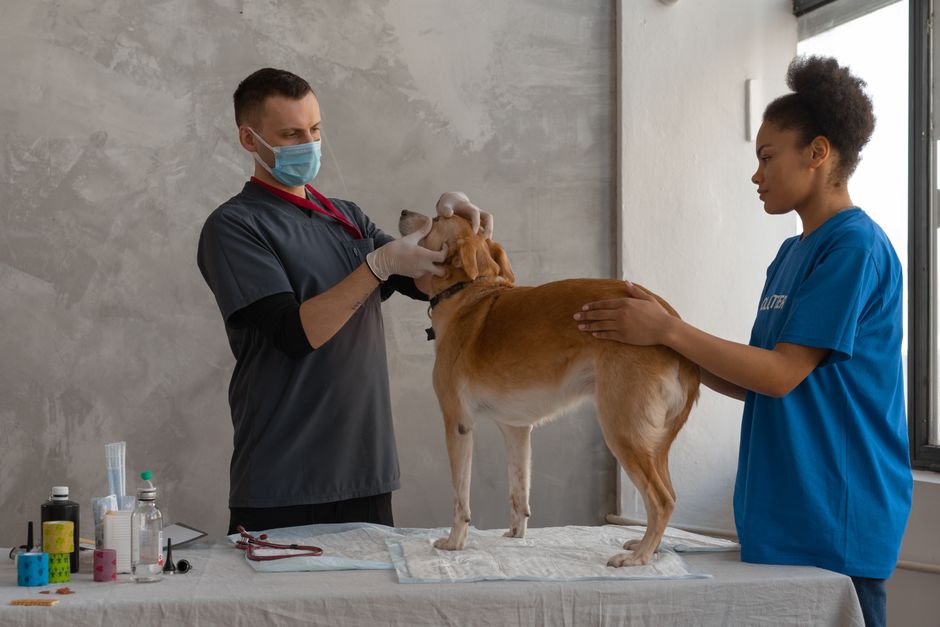
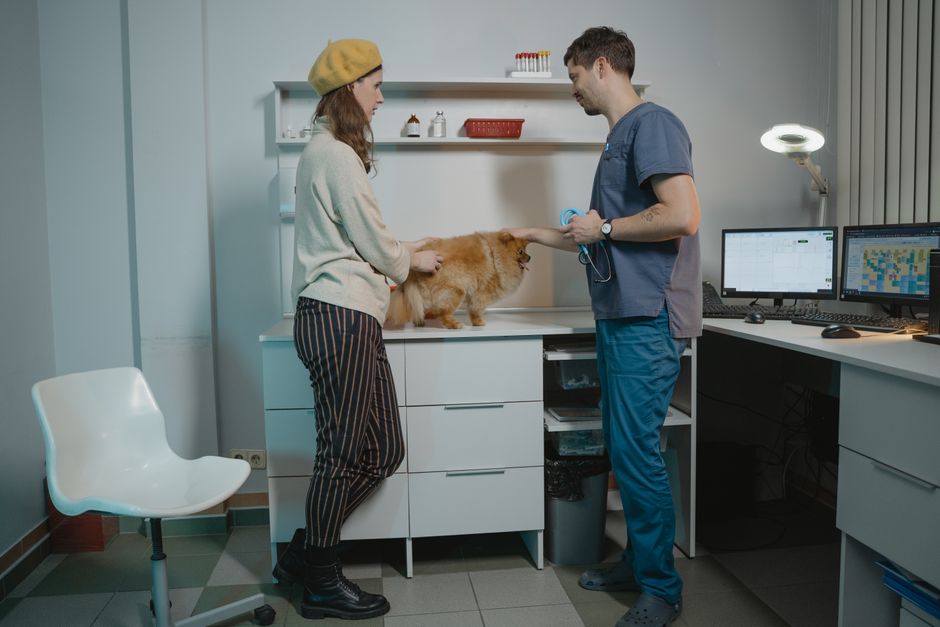
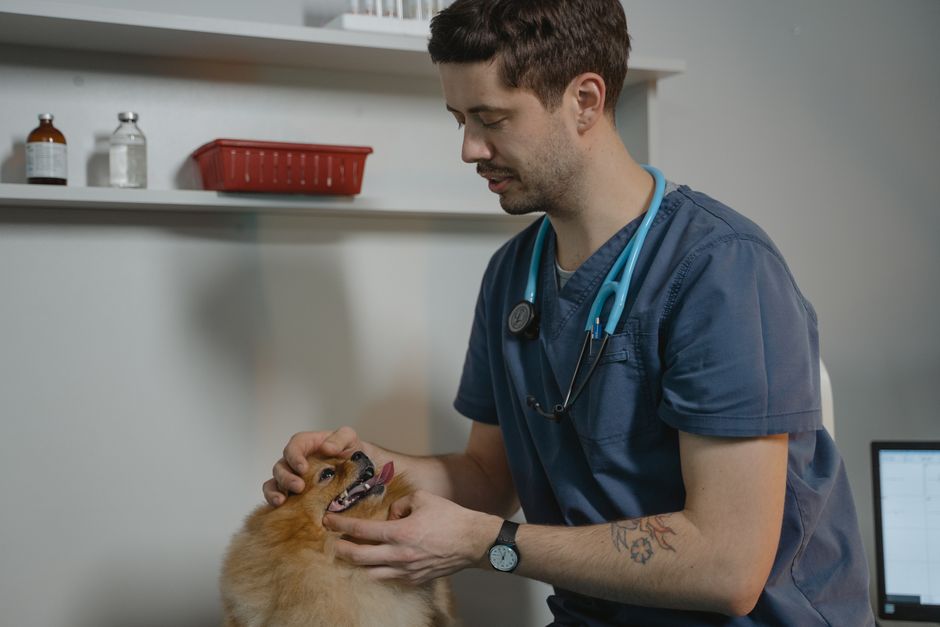
When you schedule an appointment with our veterinary team at Garrison Animal Hospital, our first step is a thorough examination. We’ll ask about your pet’s medical history, recent behavior, and any changes you’ve noticed. Depending on the symptoms, our veterinarians may recommend additional diagnostics, such as bloodwork, urinalysis, digital radiology, or specialized laboratory testing. These tools help us identify underlying problems that may not be visible during a physical assessment.
For example, if your pet is experiencing vomiting or diarrhea, our diagnostic laboratory can help determine whether the cause is infectious, dietary, or related to organ function. You can read more about this process on our pet diagnostic laboratory services page. For unexplained weight loss, appetite changes, or other systemic signs, our veterinary bloodwork services provide valuable information to guide treatment.
Treatment options vary depending on the diagnosis. Simple cases may resolve with medication or dietary changes, while more complex issues may require hospitalization, ongoing monitoring, or even surgical intervention. Throughout the process, our team will keep you informed and involved in every decision, ensuring your pet receives the highest standard of care.
Home Care and Prevention: Supporting Your Pet’s Health
While some health issues can’t be prevented, there are steps you can take at home to support your pet’s well-being and catch problems early. Establishing a routine for daily observation is key. Watch for subtle changes in eating, drinking, activity, and elimination. Pay attention to your pet’s coat, skin, and oral health, and address minor issues before they become major concerns.
Regular preventive care is also essential. Annual wellness examinations allow our veterinarians to detect problems early, provide tailored advice on nutrition and lifestyle, and keep your pet up to date on vaccinations and parasite prevention. Good dental hygiene, proper grooming, and maintaining a healthy weight all contribute to your pet’s long-term vitality.
If you notice mild symptoms that are not urgent, such as occasional scratching or mild changes in behavior, monitor your pet closely and contact our clinic if symptoms persist or worsen. For more specific issues like persistent itching or hair loss in dogs, our guide to dog itching or hair loss outlines when it’s time to seek a professional evaluation.
When to Contact a Vet Near Me: Making the Right Decision
Deciding when to call a vet near me can feel overwhelming, especially when you want to avoid unnecessary visits but also don’t want to risk your pet’s health. As a general rule, any sudden or severe change in your pet’s behavior, appearance, or bodily functions should prompt a veterinary consultation. Persistent vomiting or diarrhea lasting more than 24 hours, difficulty breathing, collapse, severe pain, or inability to urinate are all emergencies that require immediate attention. Other symptoms, such as gradual weight loss, mild limp, or occasional coughing, may not be urgent but still warrant timely evaluation to prevent complications.
If you’re ever unsure, it’s always better to err on the side of caution and schedule an appointment with your veterinarian. Our team at Garrison Animal Hospital is dedicated to providing clear guidance and compassionate care, ensuring your pet’s health and comfort are always our top priorities. For non-life-threatening concerns, you can learn more about our veterinary sickness exams and consultations and how we can help you determine the best course of action for your pet.
Your Spring Hill Veterinary Resource for Peace of Mind
Caring for your dog or cat means staying alert to changes in their health and knowing when to seek professional help. At Garrison Animal Hospital, our experienced veterinary team serves Spring Hill and surrounding communities with a full range of services, from preventive care and wellness exams to diagnostics and treatment for sudden illnesses. If you’re searching for a vet near me who understands the needs of your pet and offers personalized, compassionate care, our veterinarians are here for you.
If you notice any of the signs described above or have questions about your pet’s health, don’t hesitate to reach out. Schedule an appointment by calling (352) 340-1329 or visiting us at 13170 Spring Hill Dr, Spring Hill, FL 34609. You can also explore our website at www.garrisonanimal.com for more resources and information. Your pet’s well-being matters to us, and we’re committed to being your trusted partner in veterinary care whenever you need a veterinarian near me in Spring Hill.
Disclaimer: The information provided in this blog is for educational purposes only and is not a substitute for professional veterinary advice. If your pet is experiencing severe or life-threatening symptoms, seek immediate veterinary attention.