Recognizing Pet Illness Symptoms in Spring Hill’s Summer

Recognizing Pet Illness Symptoms in Spring Hill’s Summer
Summer in Spring Hill brings long, sunny days and high humidity that both dogs and cats can find challenging. As a pet owner, you want your furry companions to enjoy the season safely, but the warm weather can sometimes make it difficult to spot early signs of illness. At Garrison Animal Hospital, we know how quickly health concerns can escalate in the heat, and we are dedicated to helping you recognize pet illness symptoms before they become serious. In this comprehensive guide, you’ll learn which symptoms to watch for during our Florida summer, why these issues often arise at this time of year, and when it’s time to schedule a veterinary consultation at our Spring Hill location. By understanding the unique seasonal risks in Spring Hill and surrounding communities, you can keep your pet healthy, happy, and safe all summer long.
Identifying Pet Illness Symptoms in Hot, Humid Weather
When temperatures rise, your dog or cat may show subtle changes that signal something is wrong. Recognizing pet illness symptoms early is key to preventing more serious complications. Common signs that your pet might be sick during the summer include a noticeable drop in energy, changes in appetite or water intake, vomiting, diarrhea, or coughing. You might also observe increased panting, drooling, excessive scratching, or licking, especially if allergies and parasites are more active in the heat. Cats can become withdrawn, hide more than usual, or show changes in grooming habits, while dogs may become restless or seem uncomfortable after time outdoors.
Sometimes these symptoms appear gradually, but in other cases, a sudden onset of illness can occur, particularly with heatstroke or infectious diseases. If your pet seems lethargic, has difficulty breathing, or develops new lumps, bumps, or sores, do not wait to seek veterinary attention. You can learn more about what constitutes an urgent health concern on our sickness exams and veterinary consultations page.
Why Pet Illness Symptoms Are More Common in Spring Hill Summers
Florida’s summer climate creates a perfect environment for certain illnesses to thrive. The combination of heat and humidity increases the risk of dehydration, heat exhaustion, and heatstroke in both dogs and cats. Pets with thick coats, short noses, or existing health conditions are especially vulnerable. Fleas, ticks, and mosquitoes are also more active in warm weather, raising the risk of skin infections and vector-borne diseases like heartworm.
Indoor pets are not immune to summer health risks. Air conditioning failures, access to open windows, and changes in household routines during vacations can all contribute to stress or exposure to harmful substances. Additionally, increased outdoor activity during summer can lead to accidental ingestion of toxic plants, spoiled food, or contaminated water.
Underlying health conditions, such as kidney disease or diabetes, may worsen in the heat, making regular wellness checks even more important during this season. To better understand how routine exams can help catch early signs of illness, visit our wellness examination page.
Allergies, Parasites, and Infectious Risks
Summer allergies from pollen, grass, and mold can cause skin irritation, rashes, or ear infections in pets. You may notice your dog or cat scratching, biting, or licking more often, sometimes leading to hair loss or scabs. Parasites are a persistent threat in Spring Hill; fleas and ticks flourish in warm, moist environments, and mosquitoes carry heartworm larvae. If your pet is sneezing, coughing, or showing signs of respiratory distress, these may be linked to infectious agents that thrive in the heat.
What to Do If You Notice Pet Illness Symptoms
If you observe any of the symptoms mentioned above, monitor your pet closely for changes or progression. Track their eating, drinking, urination, and activity levels. For gastrointestinal issues like vomiting or diarrhea, remove food for a short period, but do not restrict water unless advised by a veterinarian. If symptoms persist beyond 24 hours, worsen, or are accompanied by additional concerns such as blood in vomit or stool, it is time to call your veterinarian.
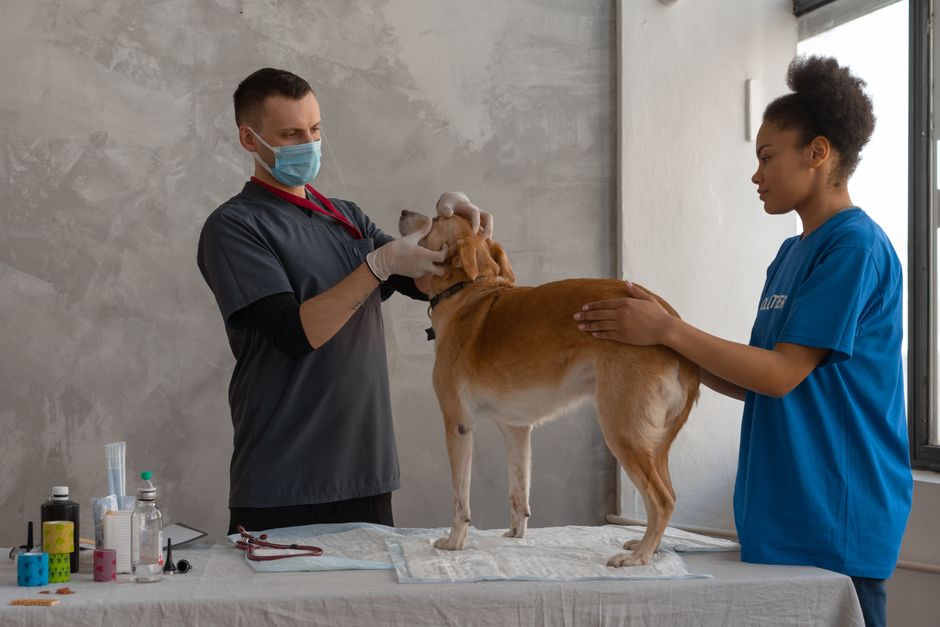
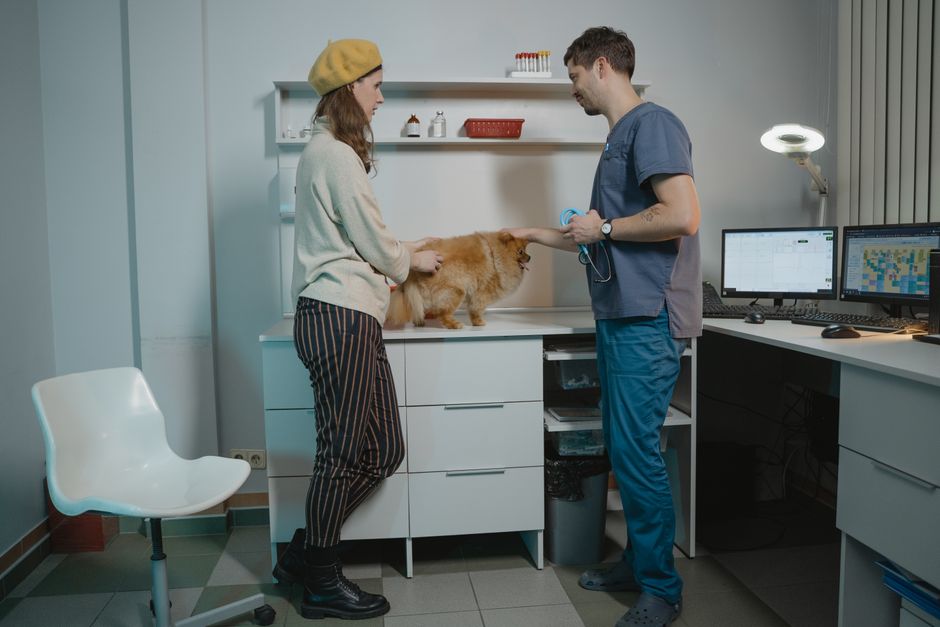
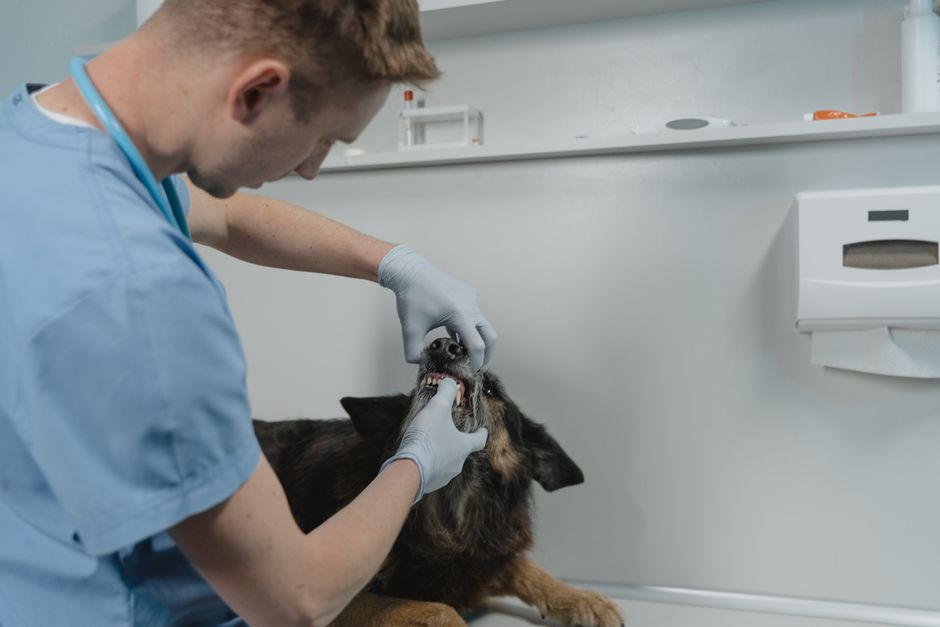
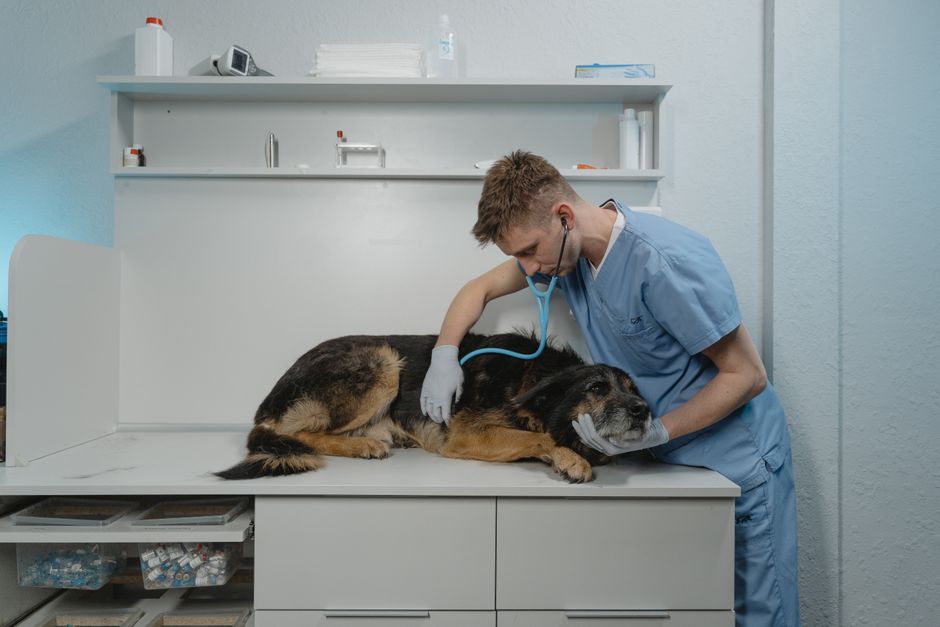
At Garrison Animal Hospital, our team of veterinarians can perform a thorough pet examination to identify the root cause of your pet’s symptoms. Diagnostic tools such as bloodwork, urinalysis, and in-house laboratory testing help us quickly evaluate your pet’s health and determine the most effective treatment plan.
Professional Treatment Options
Treatment approaches depend on the underlying issue. For dehydration or heat exhaustion, your pet may require intravenous fluids and close monitoring. Allergies and skin infections are managed with medications, medicated baths, or topical treatments. Parasite infestations are addressed with prescription preventives and, if needed, additional supportive care. For gastrointestinal symptoms, your veterinarian may recommend dietary changes, probiotics, or medications to settle the stomach.
If your pet experiences persistent weight loss, changes in appetite, or unexplained lethargy, further investigation with diagnostic bloodwork services or laboratory testing may be necessary. Our pet diagnostic lab allows us to quickly assess for infections, organ dysfunction, or metabolic issues so we can intervene before your pet’s condition worsens.
When Immediate Care Is Needed
Certain pet illness symptoms require prompt veterinary attention. These include difficulty breathing, repeated vomiting or diarrhea, seizures, collapse, inability to urinate, or bleeding that does not stop. Cats that are suddenly hiding, vocalizing in pain, or straining in the litter box need urgent evaluation, as urinary blockages can be life-threatening. For more information on these specific symptoms and when you should see a veterinarian, refer to our detailed guide on cat hiding or acting sick and dog lethargy or sluggishness.
Keeping Your Dog or Cat Healthy Through the Summer
Prevention is always better than cure, especially in the face of seasonal risks. To minimize the chance of illness, keep your pet cool and well-hydrated by providing fresh water at all times and ensuring access to shaded or air-conditioned spaces. Limit exercise to early morning or evening hours when temperatures are lower. Never leave your pet in a parked car, even for a few minutes, as temperatures can rise rapidly and lead to fatal heatstroke.
Maintain up-to-date parasite prevention for fleas, ticks, and heartworm, as these threats persist year-round in Spring Hill but are most intense during the summer months. Regularly check your pet’s skin for signs of irritation, redness, or new lumps. If your pet spends time outdoors, inspect paws for cuts or burns, and bathe them after exposure to mud, grass, or standing water.
Scheduling regular wellness exams is one of the best ways to detect health problems before they become serious. Your veterinarian can identify subtle changes during these visits that may indicate emerging health issues, recommend appropriate vaccinations, and offer guidance tailored to your pet’s lifestyle and risk factors.
Home Care Tips for Pet Owners
Keeping your pet safe during summer also means being vigilant about household and garden hazards. Store chemicals, medications, and toxic plants out of reach. Avoid feeding table scraps or foods that spoil quickly in the heat. If you have questions about which plants to avoid, our resource on poisonous plants can help you pet-proof your yard and garden.
Monitor your pet’s body weight and appetite, and consult your veterinarian if you notice unexplained changes. With cats, pay special attention to litter box habits; increased urination or straining can be early signs of urinary or kidney issues that are aggravated by dehydration.
When to Call Garrison Animal Hospital
Knowing when to seek veterinary care is essential in protecting your pet’s health. Call our team if your dog or cat displays pet illness symptoms that last longer than 24 hours, worsen rapidly, or are accompanied by severe signs such as breathing difficulties, repeated vomiting, collapse, or loss of consciousness. Do not attempt to treat severe symptoms at home; timely intervention by experienced veterinary professionals can make all the difference.
We encourage you to contact Garrison Animal Hospital to discuss any concerns or changes you’ve noticed in your pet. Our team of veterinarians is here to support you with comprehensive services, from wellness exams and diagnostic testing to expert treatment of summer-related health conditions.
Your Local Partner for Pet Health in Spring Hill
Your pet’s wellbeing is our top priority at Garrison Animal Hospital. By learning to recognize early pet illness symptoms, you can help your dog or cat stay safe and healthy throughout the steamy Spring Hill summer. If you find yourself searching for a "vet near me," rest assured that our Spring Hill location is ready to welcome you and your pet with personalized, compassionate care.
To schedule an appointment or speak with our veterinary team about your concerns, call (352) 340-1329. For more information on our services, including wellness exams, sickness consultations, and in-house diagnostic testing, visit our website. Your vigilance and partnership with our veterinary professionals are the keys to keeping your pet happy and thriving all season long.
This blog is intended for informational purposes only and should not replace professional veterinary advice. If your pet is experiencing an emergency or severe symptoms, contact your veterinarian immediately.