Preventing Pet Parasites in Hot, Humid Weather

Preventing Pet Parasites in Hot, Humid Weather
If you live in Spring Hill or the surrounding communities, you know how Florida’s late summer and early fall bring sweltering heat, sticky humidity, and frequent rain. While these conditions might make you yearn for air conditioning, they also create the perfect environment for parasites like fleas, ticks, and heartworms to thrive. As a pet owner, you want to keep your dog or cat comfortable and safe, but dealing with these persistent pests can be a daunting challenge. At Garrison Animal Hospital, located right here at 13170 Spring Hill Dr, Spring Hill, FL 34609, our veterinary team is dedicated to helping you protect your pet year-round. In this guide, we will walk you through the most common pet parasites in Florida’s hot, humid weather, how to spot early warning signs, what causes infestations, the latest prevention and treatment options, and how our team can partner with you for a healthier, happier pet.
Recognizing the Signs of Parasite Problems in Your Pet
Catching parasite issues early can mean the difference between a simple fix and a major health crisis for your dog or cat. Flea infestations often start with subtle signs such as frequent scratching, biting at the skin, or what looks like “flea dirt” (tiny black specks) in your pet’s fur. Over time, you may notice your pet losing hair, developing red, irritated skin, or even showing visible fleas during close inspection. Ticks are sometimes easier to spot, especially after your pet has been outside in grassy or wooded areas. These parasites attach themselves to the skin, often around the ears, neck, or in between the toes.
Heartworm disease is more insidious and can go unnoticed until advanced symptoms appear. Early heartworm signs in dogs may include a mild cough, reduced exercise tolerance, fatigue after activity, and weight loss. For cats, symptoms can be even more subtle or mistaken for other illnesses, such as coughing, vomiting, and labored breathing. If your pet is persistently itching, experiencing unexplained hair loss, or showing any of these symptoms, it is important to schedule a wellness examination with your veterinarian. For more details on skin-related symptoms in dogs, you can review our resource on itching or hair loss and skin allergy screenings, and for cats, learn about over-grooming or scabs and dermatology screenings.
Why Are Parasites Such a Problem in Florida’s Climate?
Florida’s climate is a paradise for parasites. The combination of high temperatures, heavy rainfall, and high humidity creates a year-round breeding ground for fleas and ticks. Flea eggs, larvae, and pupae can thrive in warm, moist environments like shaded yards, patios, and even inside homes with carpeting or bedding. Ticks favor wooded areas, tall grass, and shrubs, waiting for a host to brush by. Both fleas and ticks can hitch a ride indoors on your pet, quickly turning a few pests into a full-blown infestation.
Heartworms are transmitted by mosquitoes, which are especially active in Florida’s hot, rainy months. When a mosquito bites an infected animal, it picks up microscopic heartworm larvae and can then transmit them to your pet with its next bite. Even indoor pets are at risk, since mosquitoes can easily enter homes through open doors or screens. Heartworm disease is especially concerning because it can be life-threatening if left untreated, affecting the heart, lungs, and blood vessels of both dogs and cats.
Professional Parasite Treatment and What to Expect
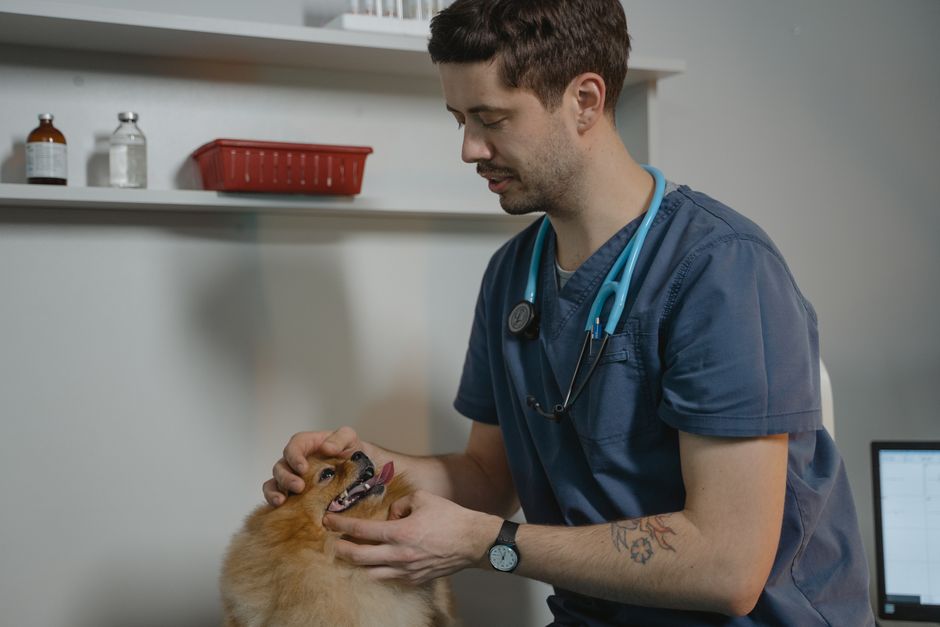
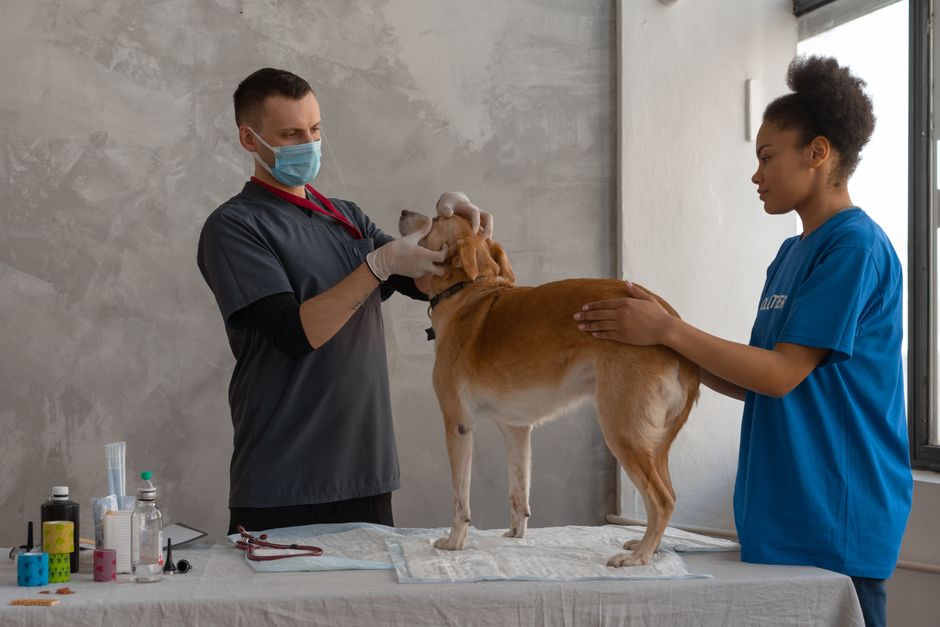
If your pet is dealing with a parasite problem, the first step is a thorough veterinary evaluation. At Garrison Animal Hospital, our team will perform a comprehensive pet exam and recommend the most effective course of action based on your pet’s specific needs. For flea and tick infestations, treatment approaches involve medicated baths, topical or oral medications that kill adult parasites, and advice on treating your home environment to prevent re-infestation. Our veterinarians may also check for secondary skin infections or allergic reactions and provide remedies to relieve itching and promote healing.
Heartworm treatment is more complex, especially for dogs who have tested positive. Our veterinary team will conduct confirmatory bloodwork and imaging studies to determine the severity of infection. Treatment for heartworm disease in dogs involves a carefully monitored protocol of medications that gradually kill the adult worms, as well as supportive care to manage any complications. For cats, there is no approved treatment to eliminate heartworms, so management focuses on supportive care and symptom relief. Because early detection is critical, we recommend routine heartworm testing as part of your pet’s preventive care plan. This ensures any infection is caught before serious damage occurs.
Preventing Fleas, Ticks, and Heartworms at Home
The best way to protect your pet from parasites is prevention. Your veterinarian can recommend safe, effective monthly preventives tailored to your pet’s lifestyle and risk factors. These medications come in various forms, including chewable tablets, topical liquids, and collars that repel or kill fleas and ticks before they can take hold. Consistent use is key, as missing even one dose can leave your pet vulnerable to infestation.
For heartworm prevention, monthly medications are available for both dogs and cats and should be given year-round, not just during the height of mosquito season. Additional home care steps include regularly washing your pet’s bedding, vacuuming carpets and upholstery, and maintaining your yard by mowing grass, removing leaf litter, and trimming shrubs. If you have multiple pets, ensure all animals in the household are on parasite preventives to break the cycle of reinfestation.
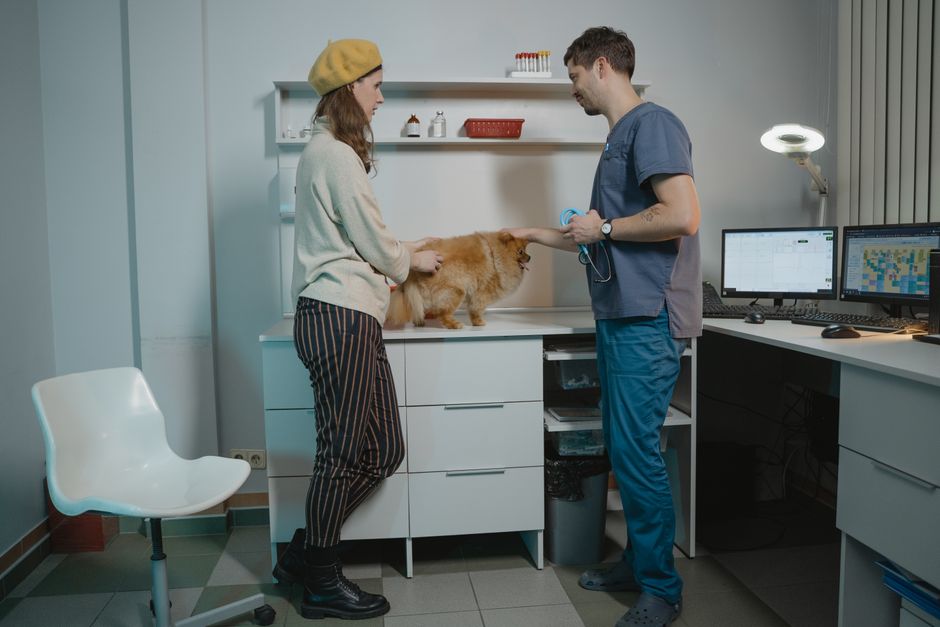
When it comes to monitoring your pet’s health, regular wellness exams and routine pet health screenings are crucial. These visits allow our veterinarians to catch early signs of parasite problems, discuss the latest prevention options, and provide customized recommendations based on your pet’s needs and your family’s environment.
When Should You Seek Veterinary Care for Parasites?
While some minor itching can be managed at home, there are clear situations when professional help is needed. If your dog or cat shows persistent scratching, visible fleas or ticks, bald patches, or skin sores that do not improve within a few days, it is time to call your veterinarian. Sudden changes in energy, appetite, breathing, or unexplained coughing could indicate heartworm disease or other serious conditions. Prompt veterinary care is also important if you have tried over-the-counter products without success or if your pet experiences a reaction to a medication.
It is always safer to err on the side of caution; untreated parasites can lead to anemia, severe allergic reactions, secondary infections, and in the case of heartworms, potentially fatal organ damage. The veterinary team at Garrison Animal Hospital is here to support you with expert advice and the latest treatments, ensuring your pet gets back to feeling their best as soon as possible.
Keeping Your Pet Safe in Spring Hill’s Steamy Weather
Florida’s weather may be tough on pets, but with the right preventive care and veterinary guidance, you can keep fleas, ticks, and heartworms at bay. At Garrison Animal Hospital, we are committed to supporting pet owners in Spring Hill and surrounding communities with the highest standard of care. If you have concerns about parasites or want to develop a personalized prevention plan, our veterinarians are here to help. Remember, regular wellness exams and parasite screenings are key to protecting your pet’s long-term health.
When searching for a veterinarian near me, choosing a team that understands the unique challenges of Florida’s climate can make all the difference. To schedule an appointment for your dog or cat, or to discuss parasite prevention options, call our team at (352) 340-1329 or visit us at 13170 Spring Hill Dr, Spring Hill, FL 34609. Together, we can keep your pet healthy, happy, and protected all year long.
This blog is intended for informational purposes only and should not replace professional veterinary advice. Please consult your veterinarian for specific recommendations regarding your pet’s health and parasite prevention.