Pet Illness Symptoms: When to Call the Vet in Spring Hill

Pet Illness Symptoms: When to Call the Vet in Spring Hill
If you’re worried your dog or cat is acting out of sorts, you’re not alone—especially during the hot, humid months here in Spring Hill. Local pet owners know that seasonal changes can bring a host of concerns, from increased parasites to heat-related stress. Recognizing early pet illness symptoms can make all the difference in catching problems before they become emergencies. At Garrison Animal Hospital, our compassionate veterinary team is dedicated to helping you keep your pets healthy and thriving year-round. In this guide, we’ll walk you through the most common signs of illness in dogs and cats, explain what might be causing them, and help you decide when it’s time to call your veterinary team here in Spring Hill. Whether you’re a long-time pet owner or new to the area, understanding these symptoms ensures your furry family member gets timely care when it matters most.
Recognizing Pet Illness Symptoms in Spring Hill
Spotting pet illness symptoms early is key to protecting your pet’s health. In our warm, subtropical climate, dogs and cats face unique risks—fleas and ticks thrive, heatstroke becomes a real danger, and allergies can flare. Classic signs that your pet might be unwell include changes in appetite, such as refusing meals or suddenly eating much less than usual. Lethargy, or a noticeable drop in energy, is another red flag; a pet who usually greets you at the door but now seems uninterested or withdrawn may be feeling under the weather.
Other symptoms to watch for are vomiting, diarrhea, persistent coughing, or sneezing. If your dog or cat starts drinking significantly more or less water, this can be a clue that something isn’t right. Unexplained weight loss, difficulty breathing, limping, or changes in urination habits—such as accidents in the house or straining to go—are all signs that warrant attention. In cats, hiding behavior and poor grooming can also signal illness, while dogs may become restless or vocalize discomfort.
Skin and coat changes are especially common during Florida summers. Watch for excessive scratching, bald patches, red or irritated skin, or visible parasites. Eye and ear issues, such as redness, discharge, or head shaking, should not be ignored. The key is to trust your instincts; you know your pet’s normal routines better than anyone, so any sudden or persistent change in behavior or appearance deserves a closer look.
What Causes Pet Illness Symptoms in the Spring Hill Area?
Understanding why pets get sick can help you minimize risks at home. In Spring Hill, the combination of high heat, humidity, and abundant wildlife means dogs and cats are exposed to a variety of illnesses. Heatstroke is a top concern during the summer; pets can overheat quickly, especially if left outside without shade or water. Symptoms like heavy panting, drooling, weakness, and collapse require immediate attention.
Parasitic threats are also prevalent, with fleas, ticks, and mosquitoes carrying diseases such as heartworm, Lyme disease, and ehrlichiosis. Allergies triggered by blooming plants, grasses, and molds often lead to itchy skin, watery eyes, and sneezing in sensitive pets. Gastrointestinal issues arise from pets getting into garbage, drinking from puddles, or eating unfamiliar foods at backyard gatherings.
Chronic illnesses like diabetes, kidney disease, or thyroid disorders may first appear as subtle changes in appetite, thirst, or activity. In older pets, arthritis can cause limping or reluctance to exercise, while dental disease is a common culprit behind bad breath, drooling, and difficulty eating. Infectious diseases, including kennel cough and upper respiratory infections, can spread quickly at dog parks or boarding facilities.
No matter the cause, it’s important to remember that many illnesses progress faster in pets than in people. Prompt recognition and veterinary care can prevent serious complications and support better outcomes for your pet.
How Our Veterinary Team Diagnoses and Treats Pet Illness Symptoms
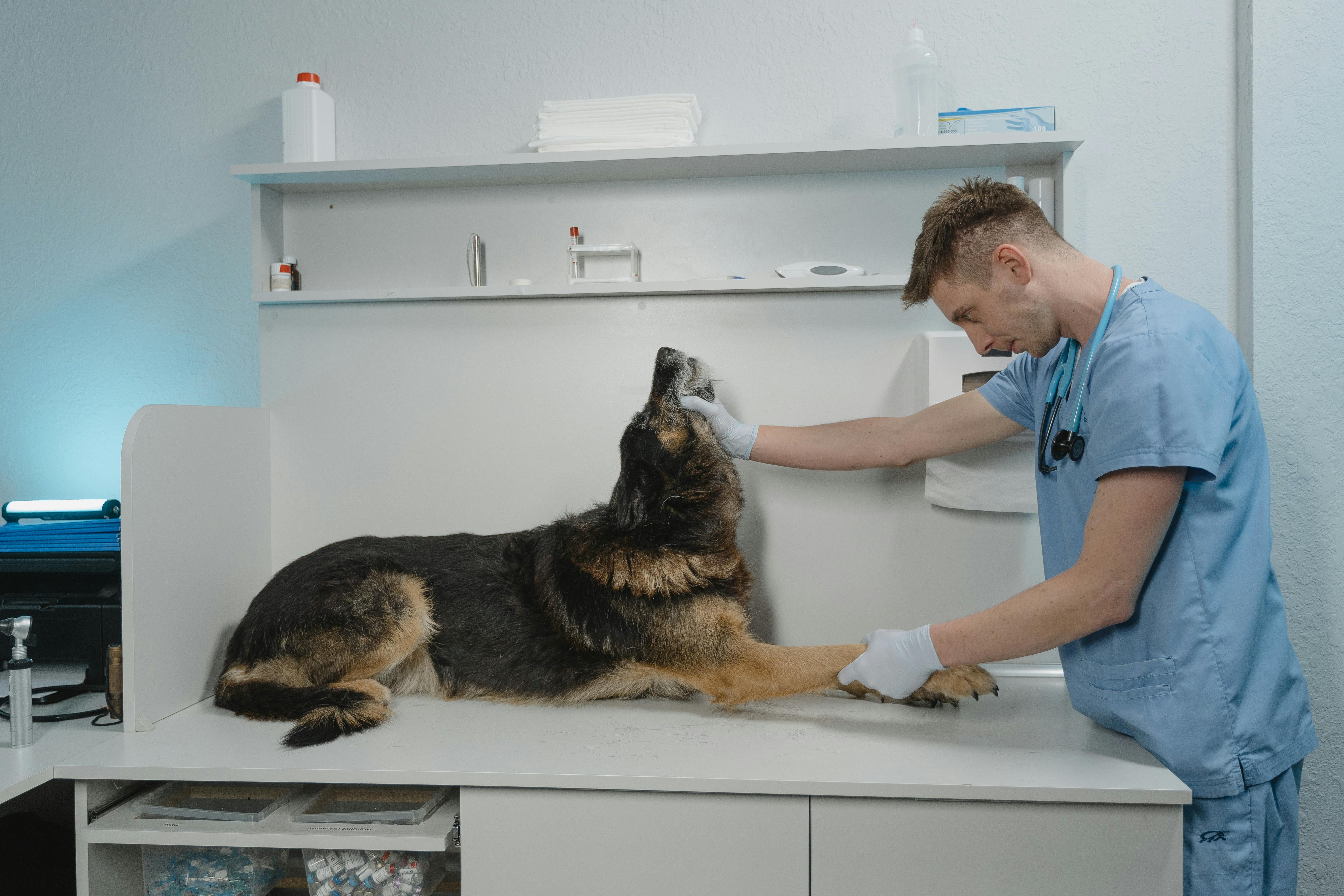
When you notice pet illness symptoms at home, scheduling a visit with our veterinary team at Garrison Animal Hospital is the best next step. During your appointment at our Spring Hill location, our veterinarians will begin with a thorough physical examination, looking for clues in your pet’s temperature, heart rate, breathing, and overall appearance. We may ask about your pet’s recent behavior, diet, environment, and any changes you’ve observed.
Diagnostic tests are often recommended to get a clear picture of your pet’s health. Bloodwork can reveal infections, organ function, and signs of chronic disease, while urinalysis helps detect urinary tract problems or diabetes. Fecal exams check for intestinal parasites, and imaging such as X-rays or ultrasound may be needed for persistent vomiting, limping, or unexplained weight loss.
Treatment depends on the underlying cause. For infections, antibiotics or antifungals may be prescribed. Parasite infestations are managed with safe, effective preventives and treatments tailored to your pet’s needs. Allergies often require a combination of medication and environmental management, such as frequent bathing or dietary changes. For chronic conditions, our team will work with you to create a long-term care plan that keeps your pet comfortable and improves quality of life.
In urgent situations—such as heatstroke, severe vomiting, or trouble breathing—immediate intervention is necessary. Our veterinary professionals are trained to stabilize and support your pet, providing fluids, medications, and advanced care when needed. Throughout the process, we keep you informed and involved in every decision, ensuring compassionate, individualized care.
How to Support Your Pet at Home and Prevent Illness
Prevention and early intervention are the cornerstones of keeping your pets healthy in Spring Hill. Regular wellness visits with our veterinary team allow us to catch problems before they become serious, update vaccinations, and provide parasite prevention tailored to our local environment. At home, provide fresh water at all times, especially during hot weather, and avoid exercising dogs during the peak heat of the day.
Keep up with monthly flea, tick, and heartworm preventives year-round; the warm Florida climate means these threats never truly disappear. Monitor your pet’s diet, avoiding table scraps and unfamiliar foods that can upset sensitive stomachs. Clean your yard regularly to remove hazards, check your pet’s fur for ticks after outdoor adventures, and groom them routinely to spot skin issues early.
Watch your pet closely for subtle changes. Even mild symptoms like decreased appetite or occasional coughing can be early warning signs. Cats are masters at hiding illness, so pay special attention to litter box habits, grooming, and social interactions. For dogs, monitor their energy level, mobility, and enthusiasm for daily walks.
If you notice anything unusual, don’t wait to see if it goes away. Prompt action and a call to your veterinary team can make a life-saving difference. Our veterinarians are always here to offer advice, reassurance, and expert care whenever you have concerns about your pet’s health.
When to Call the Vet: Red Flags for Pet Owners
Some pet illness symptoms require immediate veterinary attention, while others can wait for a scheduled visit. Knowing the difference helps you act quickly and avoid unnecessary worry. Contact our clinic right away if your pet is having trouble breathing, collapses, is unresponsive, or has a seizure. Persistent vomiting or diarrhea, especially when accompanied by blood or signs of dehydration, is also a cause for concern. Refusing food or water for more than 24 hours, visible wounds, or signs of severe pain—such as constant whining or restlessness—mean your pet needs prompt care.
Other situations that should prompt a call to your veterinarian include coughing or choking, difficulty urinating or defecating, sudden lameness, swelling, or signs of poisoning such as drooling, tremors, or pale gums. If you notice your pet eating something toxic—like chocolate, certain plants, or medications—seek veterinary guidance immediately.
For less urgent symptoms, such as mild skin irritation, infrequent sneezing, or a single missed meal, schedule an appointment for a comprehensive exam. It’s always better to err on the side of caution; our team is here to provide reassurance and guidance so you never feel alone in making these decisions. Remember, you can reach us by phone or stop by our Spring Hill location for compassionate support whenever you need it.
Keeping Your Pet Healthy: Partnering with Your Local Veterinarian
Your pets rely on you to be their advocate, and recognizing pet illness symptoms in Spring Hill can help you catch problems early and keep your companion happy for years to come. At Garrison Animal Hospital, our veterinary professionals are proud to serve Spring Hill and surrounding communities, offering comprehensive care in a welcoming environment. Whether you need a routine health check or urgent attention for a sudden illness, we’re here to help every step of the way.
If you’re searching for a vet near me who understands the unique challenges of Florida pet ownership, look no further than our dedicated team. Don’t wait until minor symptoms become major problems—schedule an appointment with our veterinarians today. You can find us at 13170 Spring Hill DrSprill Hill, FL 34609, or call (352) 340-5928 to speak with our friendly team. Your pet’s health and happiness are always our top priorities.
This blog is for informational purposes only and does not replace professional veterinary care. Always consult your veterinarian for diagnosis and treatment specific to your pet’s needs.