Pet Illness Symptoms Every Spring Hill Owner Should Watch For


Pet Illness Symptoms Every Spring Hill Owner Should Watch For
As a pet owner in Spring Hill, you want nothing more than to see your dog or cat happy, healthy, and full of life. But pets can’t tell us with words when they feel unwell, so it’s up to us to recognize subtle changes and early warning signs. Understanding common pet illness symptoms is essential for catching health problems before they become serious. At Garrison Animal Hospital, located right on 13170 Spring Hill Dr, Spring Hill, FL 34609, our team of veterinarians is dedicated to helping you identify these symptoms and guiding you toward the best care for your furry family members. In this guide, we’ll explore the most important pet illness symptoms to watch for, explain what might be causing them, and provide advice on when to schedule an appointment to ensure your pet receives timely attention. If you’re ever unsure, our sickness exams and veterinary consultations are here to provide clarity and peace of mind for families in Spring Hill and surrounding communities.
Recognizing Pet Illness Symptoms in Dogs and Cats
Spotting health issues early can make all the difference for your pet’s recovery. Pet illness symptoms often start subtly, so paying close attention to your pet’s daily routines and behaviors is key. Some of the most common symptoms include changes in appetite, such as eating significantly less or showing no interest in food. Vomiting or diarrhea can also occur, sometimes accompanied by signs like excessive drooling, coughing, or sneezing. Lethargy is another red flag; if your normally energetic dog or playful cat seems withdrawn or sleeps much more than usual, it’s worth taking note.
Other warning signs to watch for are changes in drinking habits, such as increased thirst or urination, which might suggest issues like diabetes or kidney disease. Difficulty breathing, persistent coughing, or unusual vocalizations can point to underlying respiratory or cardiac problems. Physical symptoms can be just as telling: limping, stiffness, or reluctance to jump may signal orthopedic pain or injury. Additionally, watch for unexplained lumps, bumps, or sores on the skin, as well as foul odors from the mouth or ears, which could indicate dental disease or infections.
Behavioral changes like increased aggression, hiding, or avoiding interaction often signal discomfort or pain. Even subtle signs, such as changes in grooming habits or a dull, unkempt coat, can be your first hint that something isn’t right. Because many illnesses share overlapping symptoms, it’s always best to err on the side of caution and consult with a veterinary professional if you notice anything unusual.
Understanding Why Pet Illness Symptoms Occur
Pets develop illness symptoms for many reasons, ranging from minor, self-limiting conditions to more serious health concerns. Infections are a common cause, whether from bacteria, viruses, or parasites picked up from the environment. For example, a sudden bout of vomiting and diarrhea may point to a gastrointestinal infection or even dietary indiscretion, such as eating something inappropriate outdoors.
Chronic diseases, including kidney disease, diabetes, or thyroid imbalances, often produce gradual symptoms that worsen over time. Age-related conditions are another factor; as pets get older, they become more susceptible to arthritis, dental disease, and certain types of cancer, all of which can manifest with a variety of symptoms.
Environmental factors also play a role, especially in Florida’s warm, humid climate. Allergies can flare up in response to pollen, mold, or certain foods, causing skin irritation, itching, or respiratory problems. Exposure to toxins—such as household chemicals, certain plants, or even contaminated water—can cause sudden illness and require immediate veterinary intervention. For additional information on hazardous plants, you can review our list of poisonous plants to avoid to help keep your pet safe at home.
Genetics and breed predispositions sometimes contribute as well. Some dogs and cats are more prone to specific health problems, so it’s important to be vigilant if you know your pet’s breed carries certain risks. Understanding these background factors helps you and your veterinarian work together to identify the underlying cause and develop the best treatment plan.
How the Garrison Animal Hospital Team Diagnoses and Treats Illness
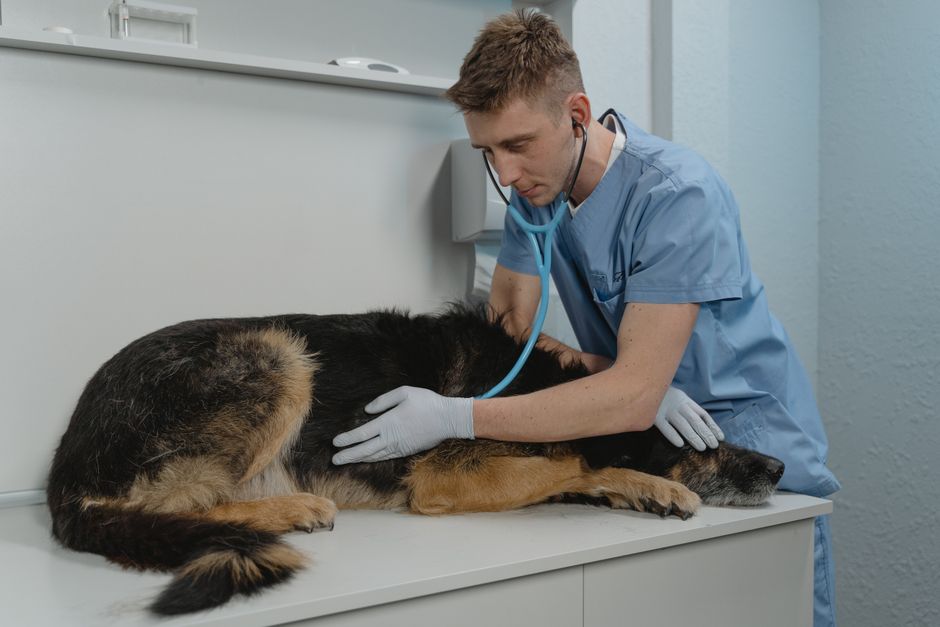
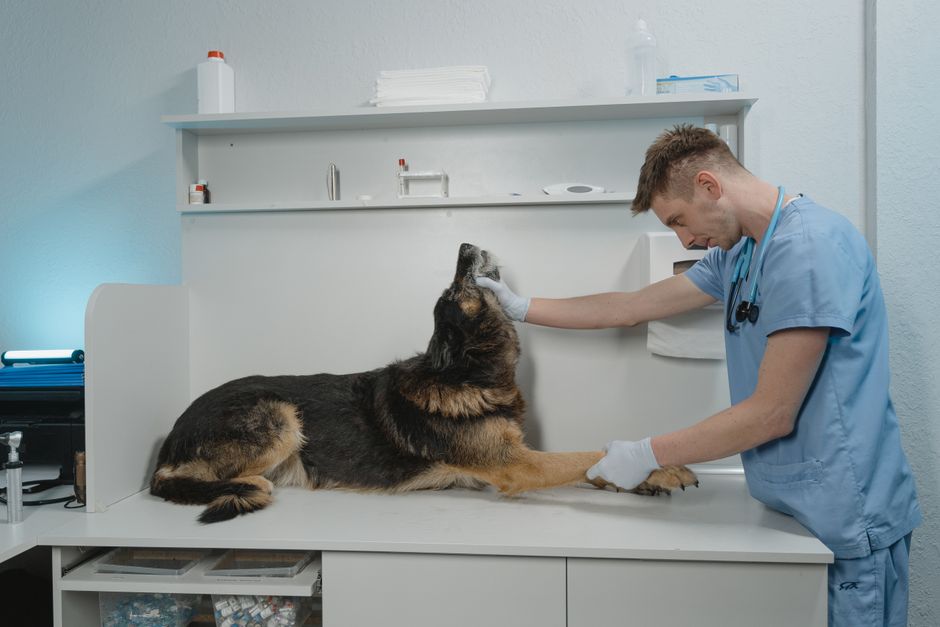
When you bring your pet to Garrison Animal Hospital with concerns about pet illness symptoms, our veterinary team follows a thorough, step-by-step approach. It begins with a comprehensive physical examination, where we look for visible signs of discomfort, pain, or abnormality. We ask detailed questions about your pet’s history, recent changes at home, and the progression of symptoms to build a complete clinical picture.
Diagnostic testing is often an important next step. Our in-house pet diagnostic laboratory allows us to process bloodwork, urinalysis, and other lab tests quickly to pinpoint infections, organ dysfunction, or metabolic problems. Imaging tools such as digital radiology help us visualize internal organs, bones, or foreign objects that might be causing illness. For pets with unexplained lumps or growths, our veterinarians may recommend a biopsy or mass removal to ensure a timely diagnosis.
Treatment options depend on the underlying cause. Some pets may require medication for infections, while others benefit from supportive care like fluids, pain management, or dietary changes. If dental disease is the culprit, we offer pet dental cleanings and tooth extractions to address oral pain and infection. For more complex issues, such as tumors or chronic illness, our veterinarians will discuss all available options and partner with you to create a tailored care plan. Throughout the process, we prioritize your pet’s comfort and wellbeing, ensuring you have clear explanations and compassionate support every step of the way.
Prevention and Home Care: Keeping Your Pet Healthy
Preventing illness starts with proactive care and attentive home routines. Scheduling regular wellness exams is one of the most effective ways to catch subtle health issues before they become serious. During these visits, our veterinary professionals can monitor your pet’s weight, dental health, and overall condition, making recommendations for vaccinations, parasite prevention, and nutrition.
At home, observe your pet closely for any changes in behavior, appetite, or energy level. Steps such as keeping your pet’s environment clean, providing fresh water, and feeding a balanced diet all contribute to good health. It’s also important to maintain up-to-date vaccination schedules and use appropriate flea, tick, and heartworm preventatives, especially in Florida’s climate, where these parasites are prevalent year-round.
Dental care at home, such as tooth brushing or dental treats, helps prevent oral disease, while regular grooming keeps your pet’s coat and skin in optimal condition. Reducing access to potential toxins—like certain human foods, household cleaners, and dangerous plants—further decreases the risk of accidental poisoning. When in doubt about a particular product or plant, consulting your veterinarian can help you make safe choices for your pet’s environment.
When to Schedule a Veterinary Appointment for Pet Illness Symptoms
Knowing when to seek veterinary care is crucial for your pet’s health and safety. In general, any persistent or worsening symptoms should prompt a call to your veterinarian. If your pet is refusing food or water for more than 24 hours, experiencing repeated vomiting or diarrhea, or showing signs of pain such as whimpering, limping, or hiding, it’s time to schedule an appointment. Sudden changes in breathing, severe lethargy, collapse, or seizures are considered emergencies and require immediate veterinary attention.
Even milder symptoms, such as mild coughing, skin irritation, or minor limping, deserve attention if they last more than a day or two. Early intervention can prevent minor problems from becoming major health concerns and provide your pet with relief much sooner. If you are unsure whether your pet’s symptoms are urgent, our sickness exams and veterinary consultations provide guidance and peace of mind.
When searching for a "vet near me," choosing a clinic with comprehensive diagnostic and treatment capabilities—like Garrison Animal Hospital—ensures your pet receives prompt, effective care. Our veterinary team is always here to listen to your concerns and recommend the best course of action for your beloved companion.
Take Action: Protect Your Pet’s Health in Spring Hill
Catching pet illness symptoms early is one of the most important things you can do to support your pet’s long-term wellbeing. By staying observant and proactive, you give your pet the best chance at a happy, healthy life. If you notice any changes in your pet’s behavior, appetite, or appearance, don’t wait—schedule an appointment with our compassionate veterinary team at Garrison Animal Hospital. We offer thorough examinations, advanced diagnostic testing, and a full range of care options to meet your pet’s unique needs.
For families in Spring Hill and the surrounding communities, we are committed to being your trusted partner in pet health. To book a visit or ask questions about your pet’s symptoms, call us at (352) 340-5928 or stop by our convenient location at 13170 Spring Hill Dr, Spring Hill, FL 34609. When you need a veterinarian near me who truly cares, our team is here for you and your pet. For more information about our services, including wellness exams, dental care, and diagnostic testing, please explore our wellness exam options and pet diagnostic laboratory services. Your pet’s health is always our top priority.