Pet Illness Symptoms Every Spring Hill Owner Should Know

Pet Illness Symptoms Every Spring Hill Owner Should Know
When you share your life with a dog or cat in Spring Hill, early recognition of illness is one of the most powerful ways you can protect their health. Our warm, humid Florida summers can sometimes increase the risks of certain diseases and make it harder to tell when a pet is feeling under the weather. At Garrison Animal Hospital, located at 13170 Spring Hill Dr, Spring Hill, FL 34609, we want every pet owner in Spring Hill and surrounding communities to feel confident spotting early warning signs. This guide will help you recognize the most important pet illness symptoms to watch for in dogs and cats, understand why these symptoms appear, and know when it's time to schedule an appointment with our veterinary team. We will also share practical tips for home care and preventive steps to keep your furry family members healthy all summer long.
Recognizing Pet Illness Symptoms in Dogs and Cats
Understanding pet illness symptoms is the first step toward ensuring your dog or cat receives timely veterinary care. While some signs are obvious, others can be subtle, especially in the early stages of illness. It’s important to watch for changes in your pet’s usual behavior, appetite, or energy levels. Key symptoms include vomiting, diarrhea, coughing, sneezing, sudden weight loss, or increased thirst. Additionally, pets may display lethargy, labored breathing, limping, or visible discomfort. Cats are particularly skilled at hiding their discomfort, so more subtle signs—like hiding, decreased grooming, or a change in litter box habits—can also signal that something is wrong.
In Spring Hill’s hot and humid climate, heat stress can add to the risk of dehydration and exacerbate underlying health conditions. If you notice heavy panting, drooling, or stumbling, especially after time outside, this can indicate heat-related illness. Always trust your instincts as a pet owner; if your dog or cat seems “off,” it’s wise to monitor them closely and reach out to your veterinarian if symptoms persist for more than a day.
Why Do Pets Get Sick? Common Causes in Spring Hill
Several factors can contribute to illness in dogs and cats. Infectious agents like viruses and bacteria are common culprits, leading to symptoms such as coughing, sneezing, or gastrointestinal upset. Parasites—including fleas, ticks, and heartworms—are especially prevalent during Florida’s summer months and can cause a range of problems, from skin irritation to severe organ damage.
Dietary indiscretion, such as eating inappropriate foods or getting into garbage, frequently leads to vomiting or diarrhea. Environmental hazards, including exposure to toxic plants or chemicals, are also a concern; you can find more information about local dangers in our poisonous plants guide. Chronic conditions like kidney disease, diabetes, and arthritis tend to develop more gradually but can cause subtle changes in your pet’s daily habits or behavior.
Finally, age and breed play a role. Older pets are more likely to develop illnesses such as dental disease or cancer, while certain breeds may be prone to respiratory, heart, or orthopedic problems. Seasonal changes, like the onset of summer heat, may aggravate existing conditions, making it crucial to watch for any changes in your pet’s health during June and the hotter months.
How Are Pet Illness Symptoms Diagnosed and Treated?
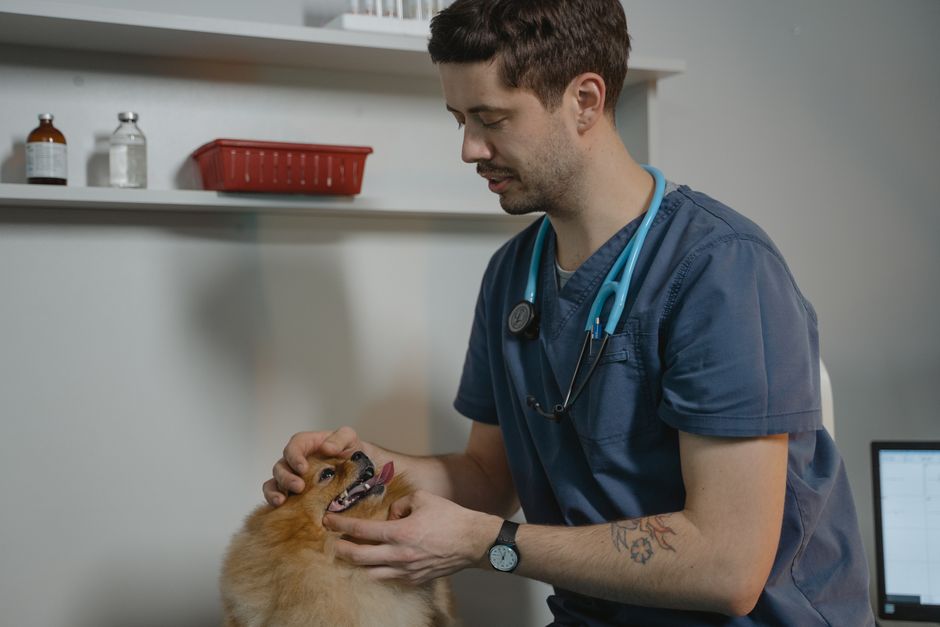
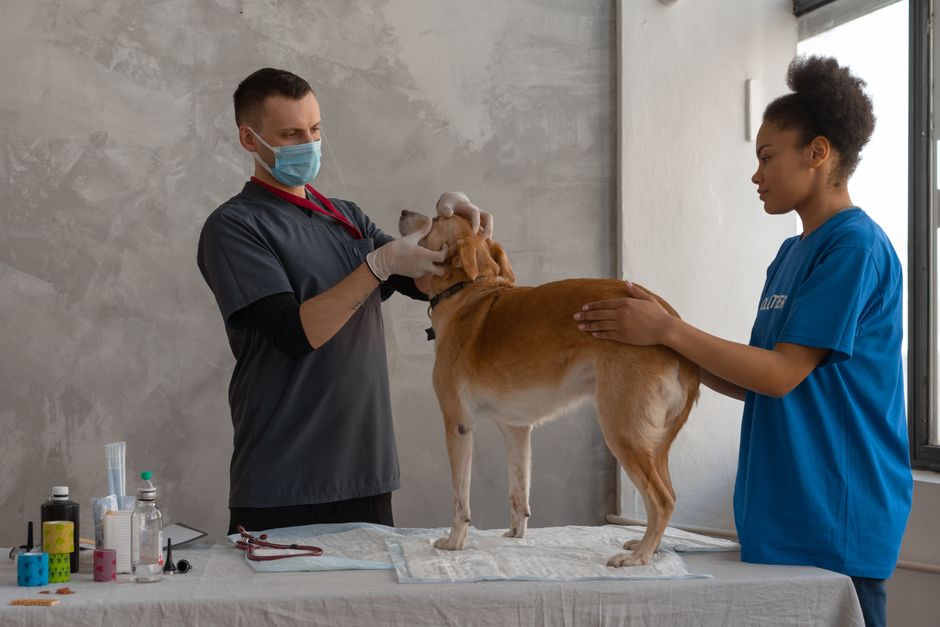
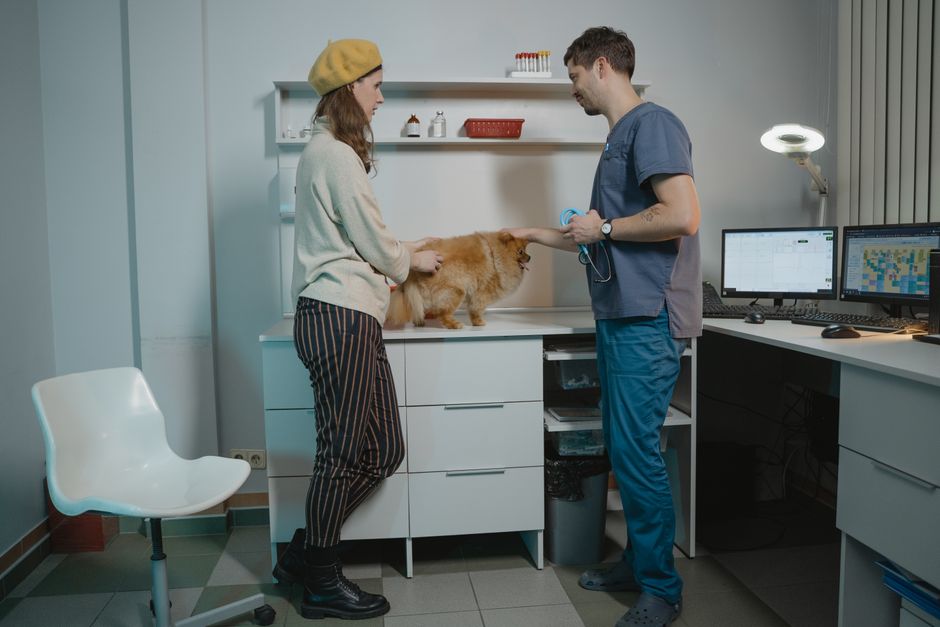
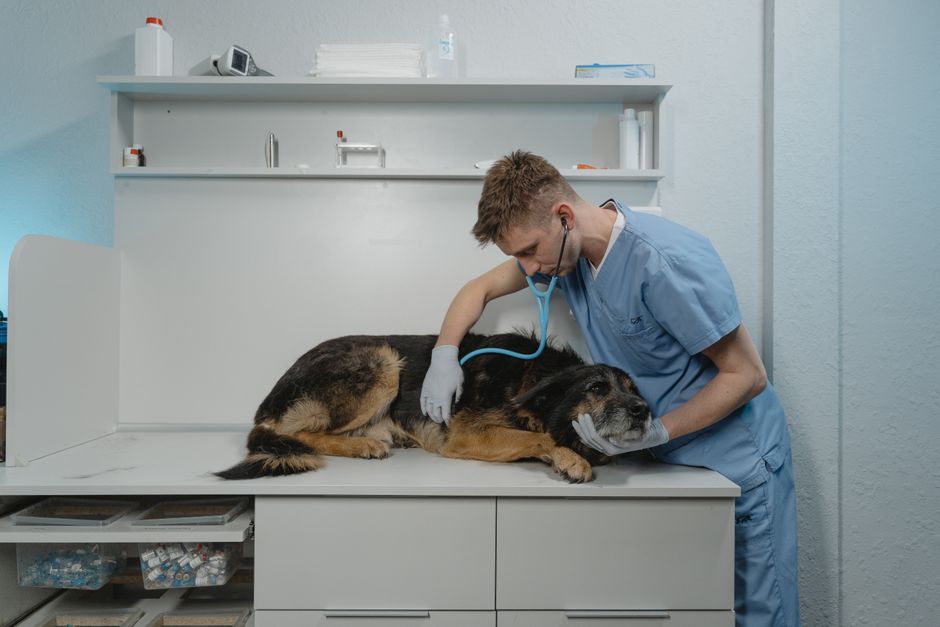
When you notice signs of illness, prompt veterinary evaluation is essential. At Garrison Animal Hospital, our team begins with a thorough history and physical examination, asking detailed questions about your pet’s symptoms and daily routine. Many conditions can mimic each other, so our veterinarians may recommend additional diagnostics. These can involve pet health screenings, bloodwork services, or advanced tools like digital radiology to pinpoint the underlying cause.
Treatment depends on the diagnosis. For infections, antibiotics or antiviral medications may be prescribed. Parasite infestations are managed with dewormers or flea and tick preventives. Chronic diseases often require ongoing management, such as special diets, medications, or regular monitoring. In acute cases, such as poisoning or severe dehydration, hospitalization and supportive care may be necessary for the best outcome. Our sickness exams and veterinary consultations are designed to give your pet the comprehensive care they need when illness strikes.
Steps for Home Care and Prevention During Spring Hill’s Summer
While some pet illness symptoms require immediate veterinary attention, there are preventative steps you can take at home to lower your pet’s risk. Regular wellness visits, up-to-date vaccinations, and parasite prevention form the backbone of a healthy life for your dog or cat. Ensuring access to fresh water is especially important in the heat; dehydration can develop quickly in our climate.
Keep your pet indoors during the hottest parts of the day and provide shade if they spend time outside. Monitor for signs of overheating, such as excessive panting or weakness, and act quickly if you notice them. Maintain good hygiene by cleaning food and water bowls daily and keeping litter boxes or outdoor areas clean. Feeding a balanced diet, avoiding table scraps, and ensuring your home and yard are free of toxins will also help protect your pet. For more on maintaining your pet’s health, consider a routine wellness examination to catch problems before they become severe.
When Should You Call Your Veterinarian?
It can sometimes be difficult to know when a symptom is minor or when it signals a serious problem. As a general rule, persistent vomiting or diarrhea, refusal to eat or drink for more than 24 hours, difficulty breathing, seizures, collapse, or significant changes in behavior demand prompt veterinary attention. Bleeding, severe pain, or suspected poisoning are emergencies that should never wait.
For less urgent symptoms—such as a mild cough, soft stool, or occasional limping—monitor your pet closely and contact your veterinarian if symptoms worsen or do not improve within a day or two. If you are ever unsure, our team at Garrison Animal Hospital is just a phone call away and can advise you on the best course of action. We encourage you to reach out with any concerns, no matter how small they may seem.
Why Early Action Matters: Protecting Your Pet’s Health
Catching pet illness symptoms early can make the difference between a quick recovery and a more serious health crisis. Timely intervention not only improves your pet’s prognosis but can also help prevent the spread of contagious diseases to other animals in your household or neighborhood. Annual or semi-annual wellness exams—especially for senior pets—are a proven way to spot health changes before they become advanced.
In Spring Hill, the unique challenges of summer mean that vigilance is even more important. Whether you’re dealing with seasonal allergies, heat-related risks, or chronic conditions, knowing what is normal for your pet and acting quickly when something seems off is the best way to keep them happy and healthy. Our veterinary team is dedicated to supporting you every step of the way, from preventive care to advanced diagnostics and treatment.
Take Action: Schedule a Wellness Exam or Sickness Consultation
If you’ve noticed any concerning pet illness symptoms in your dog or cat, the team of veterinarians at Garrison Animal Hospital is here to help. Our compassionate, knowledgeable professionals are dedicated to providing comprehensive care for pets in Spring Hill and surrounding communities. Whether your pet needs a wellness examination, advanced diagnostics, or a sickness exam and veterinary consultation, we will work with you to develop the best plan for their unique needs.
Don’t wait if you’re worried about your pet’s health. Call us at (352) 340-1329 to schedule an appointment or visit our website at www.garrisonanimal.com for more information. If you’re searching for a veterinarian near me, our location at 13170 Spring Hill Dr, Spring Hill, FL 34609 makes us easy to reach for all your pet’s needs. At Garrison Animal Hospital, we are committed to helping you recognize pet illness symptoms and ensuring your beloved companion enjoys a long, healthy life.
Disclaimer: This article is for informational purposes only and does not replace professional veterinary advice. Always consult your veterinarian if you have concerns about your pet’s health.