Dental Care Tips for Healthy Dogs and Cats

Dental Care Tips for Healthy Dogs and Cats
As a pet owner in Spring Hill, FL, you want your dog or cat to enjoy a happy, healthy life—and that starts with a bright, pain-free smile. Dental disease is one of the most common health problems in pets, yet it often goes unnoticed until it causes discomfort or more serious issues. At Garrison Animal Hospital, we know how important dental care is for your pet’s overall wellbeing. In this guide, we will share essential dental care tips for dogs and cats, explain how to spot early signs of dental issues, and discuss how professional cleanings at our Spring Hill location can protect your pet’s smile year-round. Whether you’re looking for guidance on at-home care or wondering when to seek help, our team of veterinarians is here to support you every step of the way.
Recognizing Dental Problems in Dogs and Cats
Oral health problems can develop quietly in pets, making it easy for even attentive owners to miss the early warning signs. However, catching dental issues early can prevent pain, tooth loss, and even systemic diseases that affect your pet’s heart and kidneys. If you’re concerned about your pet’s mouth, there are specific symptoms to look for.
Common Signs Your Pet May Have Dental Disease
Warning signs of dental disease in dogs and cats include persistent bad breath, visible tartar or staining on the teeth, red or swollen gums, drooling more than usual, and reluctance to chew or eat hard food. Some pets may paw at their mouth, drop food, or avoid play with chew toys. Bleeding from the gums, loose or missing teeth, and visible sores or lumps in the mouth are more advanced signs that dental disease may be causing pain or infection. For more detailed guidance on what to watch for in dogs, visit our page on the signs of dental problems in dogs. Cat owners can learn more about feline-specific symptoms such as drooling and oral discomfort on our feline dental care signs page.
Why Dental Disease Develops in Pets
Understanding how dental problems start can help you prevent them. Most dental disease in dogs and cats begins with the accumulation of plaque—a soft, sticky film made up of bacteria and food particles—on the surface of the teeth. If plaque is not removed regularly, it hardens into tartar (also called calculus), which irritates the gums and creates pockets where bacteria can thrive.
Factors That Increase Your Pet’s Risk
Several factors can contribute to the development of dental disease. Age is a significant factor; as pets get older, their risk increases. Small breed dogs, flat-faced breeds like bulldogs or Persians, and pets with crowded or misaligned teeth are especially prone to tartar buildup. Diet also plays a role, as pets that eat mostly soft or canned food may experience more rapid plaque accumulation. Genetics, lack of at-home dental care, and underlying health conditions—such as diabetes—can all make dental problems more likely.
Professional Dental Cleanings: What to Expect
While daily home care is essential, professional cleanings at a veterinary clinic are the gold standard for maintaining your pet’s oral health. At Garrison Animal Hospital, our dental care services provide a thorough cleaning that reaches areas most owners can’t access at home.
The Dental Cleaning Process
A typical dental cleaning for dogs and cats involves several steps. First, your pet is safely placed under general anesthesia to allow for a stress-free, pain-free procedure. Our veterinary team then uses specialized tools to remove plaque and tartar from both above and below the gumline. Each tooth is carefully examined for signs of disease, and dental x-rays may be recommended to assess the health of tooth roots and jawbone. If any teeth are loose, fractured, or infected beyond repair, extractions may be necessary to relieve pain and prevent further complications. After cleaning, the teeth are polished to smooth the surface and help prevent future plaque buildup. For more information about what’s involved in a professional dental cleaning and why it’s important, visit our page on professional dental care and cleaning services for pets.
Safety and Comfort During Dental Procedures
Pet owners often worry about anesthesia, but at Garrison Animal Hospital, your pet’s safety is our top priority. We perform pre-anesthetic evaluations, monitor your pet’s vital signs closely, and use the latest technology to ensure a safe experience. Most pets recover quickly and feel much better after their dental cleaning—many even show renewed interest in food and play once oral discomfort is relieved.
At-Home Dental Care: Keeping Your Pet’s Smile Bright Between Cleanings
Daily home care is the foundation of good oral health for dogs and cats. While professional cleanings are essential, what you do at home makes a huge difference in preventing plaque and tartar buildup.
Brushing Your Pet’s Teeth
Brushing is the most effective way to control plaque at home. Aim to brush your pet’s teeth daily, or as often as possible. Use a pet-safe toothbrush and toothpaste formulated specifically for dogs or cats—never use human toothpaste, as it can be toxic to pets. Start slowly by letting your pet taste the toothpaste and gently touch their mouth. Gradually increase the amount of brushing as they become more comfortable. Consistency is key, and even a few times a week can help.
Dental Diets, Chews, and Rinses
For pets that won’t tolerate brushing, dental diets, treats, and chews designed to reduce tartar can help support oral hygiene. Look for products approved by the Veterinary Oral Health Council (VOHC), which ensures they meet standards for effectiveness. Water additives and oral rinses formulated for pets can also reduce bacteria and freshen breath, although they should be used as a supplement to—not a replacement for—brushing.
Routine Inspections at Home
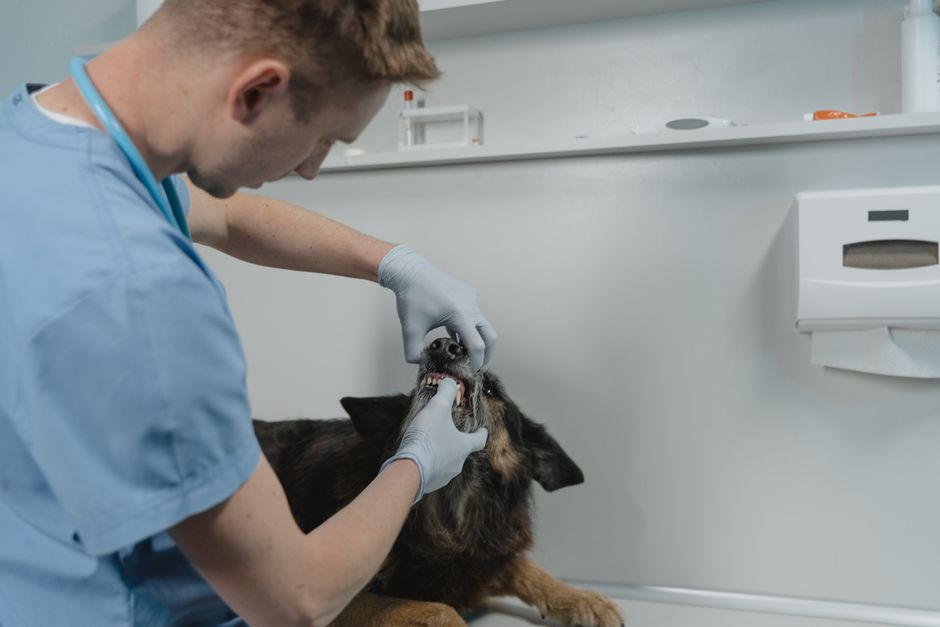
Regularly inspecting your pet’s mouth can help you spot problems early. Lift the lips and examine the teeth and gums for any changes in color, swelling, or odor. Noticing a difference early allows you to schedule a veterinary visit before minor issues become major concerns.
When to Schedule a Veterinary Dental Exam
Knowing when to seek professional help is crucial to protecting your pet’s health. Schedule an appointment at Garrison Animal Hospital if you notice any signs of dental disease, such as bad breath, drooling, red or swollen gums, or changes in eating habits. Annual dental exams are recommended for all adult dogs and cats, even if they appear healthy, as our veterinarians can detect subtle problems you might miss at home.
If your pet is showing signs of pain—such as refusing food, pawing at the mouth, or having difficulty chewing—prompt veterinary attention is essential. Untreated dental disease can lead to severe infection, tooth loss, and can affect vital organs like the heart and kidneys. If you have questions about what to expect during a dental appointment, our dental care FAQs can help guide you.
Remember, regular dental care is part of your pet’s overall preventive health plan. At Garrison Animal Hospital, we’re committed to working with you to keep your pet healthy and comfortable through every stage of life.
Why Choose Garrison Animal Hospital for Dental Care in Spring Hill, FL?
Our team of veterinarians and veterinary professionals at Garrison Animal Hospital are dedicated to providing comprehensive dental care for your pets. With advanced diagnostic tools, years of experience, and a compassionate approach, we tailor dental care plans to each dog or cat’s unique needs. Conveniently located at 13170 Spring Hill Dr, Spring Hill, FL 34609, we proudly serve Spring Hill and surrounding communities.
If you are searching for a "veterinarian near me" who prioritizes dental health and overall wellbeing, look no further. Our veterinary team is here to answer your questions, help you develop a home care routine, and provide the professional dental cleanings your pet needs to stay healthy. To schedule a dental exam or cleaning, call us at (352) 340-1329 or request an appointment through our website. Together, we can ensure your pet’s smile stays bright and pain-free for years to come.
For additional information about dental care for your pet, including what to expect and signs to watch for, explore our resources on professional dental care and cleaning services and our dental care FAQs.
This article is intended for informational purposes only and does not replace professional veterinary advice. If you have concerns about your pet’s health, please contact our veterinary team directly or schedule an appointment for a thorough evaluation.