Spring Hill Pet Dental Care: February Tips & Warning Signs


Spring Hill Pet Dental Care: February Tips & Warning Signs
Is your pet’s smile truly as healthy as it looks? As we welcome February in Spring Hill, pet owners may not realize just how important dental health is for both dogs and cats—especially with the mild winter climate we experience here in Florida. At Garrison Animal Hospital, located at 13170 Spring Hill Dr, Spring Hill, FL 34609, our veterinary team sees firsthand how dental issues can impact pets’ overall wellness. This blog will help you spot the early warning signs of dental problems, understand how Florida’s weather affects your pet’s oral health, and learn practical steps you can take this February to keep your companion’s smile bright and healthy all year long.
Whether you’re new to pet dental care or just want to be proactive, our veterinarians are here to guide you. We’ll explain what symptoms should prompt a veterinary visit, how to keep up with at-home dental routines, and when it’s time to schedule a professional dental assessment. If you have questions about what’s best for your pet, or you’re considering a dental cleaning, you can always explore our pet dental care services or schedule an appointment with our caring team.
Recognizing Dental Problems in Spring Hill Pets
Dental disease is one of the most common health issues affecting pets in Spring Hill and throughout Florida. Cats and dogs often try to hide discomfort, so it’s crucial to know what to watch for at home. Key symptoms of dental problems include persistent bad breath, visible tartar along the gumline, reddened or swollen gums, and difficulty chewing or refusing hard foods. You might notice your pet dropping food, pawing at their mouth, or favoring one side when eating. Other signs can include drooling more than usual, bleeding from the mouth, or even loose or missing teeth.
Additionally, behavioral changes such as irritability or reluctance to play with toys are sometimes linked to dental pain. If you lift your pet’s lips and see yellow or brown buildup, red gums, or any sign of discomfort, these are strong indicators that dental disease may be present. In severe cases, dental infections can affect other areas of the body, so early recognition is vital.
If you want to learn more about the most common dental symptoms in pets, our dental care FAQs provide helpful answers to questions many Spring Hill pet owners have.
Why Dental Disease Happens: Florida Factors and Year-Round Risks
You might wonder why dental disease is so prevalent, even in pets who eat high-quality diets. Bacteria in your pet’s mouth create plaque, which hardens into tartar if not removed regularly. Plaque and tartar accumulate just as quickly in mild climates as they do in colder regions, but the Florida environment brings its own set of challenges for pet dental health.
Mild winters in Spring Hill allow for year-round outdoor adventures, which means pets may be exposed to more dirt, debris, and even chewing on sticks or other items that can injure their teeth. The humidity can encourage bacterial growth in the mouth, compounding the risk of gum inflammation and infection. Additionally, many pets in this area enjoy soft diets or treats, which do not provide the abrasive action needed to help clean teeth naturally.
Certain breeds are also more prone to dental problems, especially smaller dogs and flat-faced breeds. Genetics, age, and overall health play a role, but environmental and dietary factors unique to Spring Hill can accelerate dental disease progression if left unchecked.
Professional Veterinary Dental Care: What to Expect
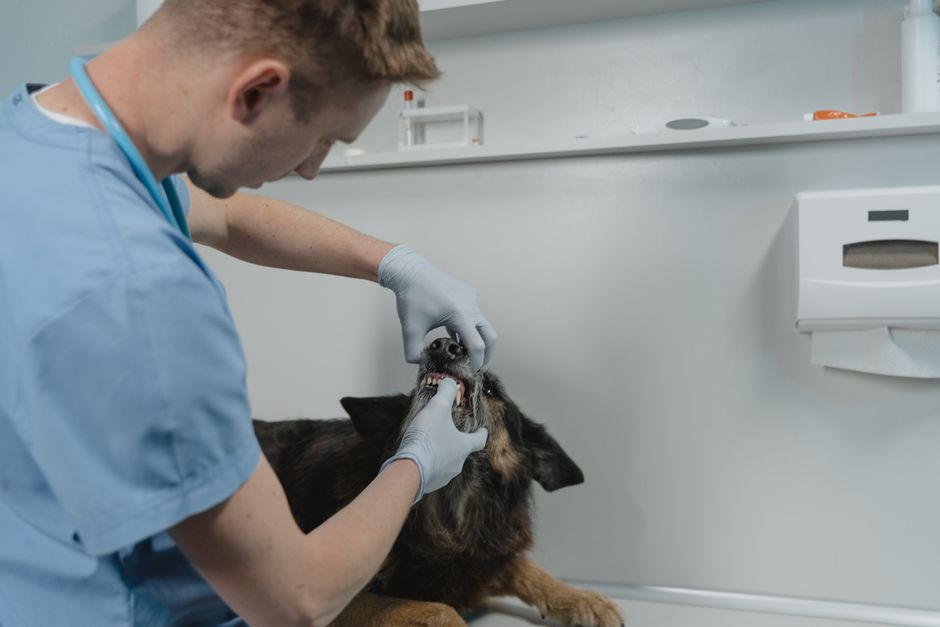
If you notice any warning signs or simply want to be proactive about your pet’s oral health, scheduling a dental examination with your veterinarian is an essential step. At Garrison Animal Hospital, our veterinary professionals take a comprehensive approach to pet dental care. During your pet’s visit, we will perform a thorough oral exam, check for loose or broken teeth, and look for signs of infection beneath the gumline.
In many cases, a professional dental cleaning is the most effective way to remove built-up tartar and address underlying issues. Dental cleanings at our clinic are performed under anesthesia to allow for a stress-free and thorough procedure. This process includes scaling and polishing the teeth, examining each tooth for hidden problems, and recommending extractions if any teeth are severely compromised.
Our pet dental cleanings are designed to restore your pet’s mouth to a healthier state and prevent complications that could affect their heart, kidneys, or liver. We use advanced imaging and gentle techniques to ensure your pet’s comfort and safety every step of the way. After the procedure, our veterinary team will provide guidance on supporting your pet’s recovery and maintaining their oral health at home.
At-Home Dental Care and Prevention Tips
While professional cleanings are crucial, daily home care makes a significant difference in your pet’s oral health. Brushing your pet’s teeth regularly with a veterinary-approved toothpaste is the gold standard for preventing plaque buildup. If brushing is new for your pet, start slowly by letting them taste the toothpaste and gradually introducing the brush. Over time, most pets learn to accept this routine as part of their daily care.
Dental chews and treats designed to reduce plaque can be helpful, but it’s important to choose products approved by your veterinarian. There are also special diets formulated to promote dental health, which gently scrub your pet’s teeth as they chew. Additionally, providing safe toys that encourage chewing can help naturally clean the teeth, but always avoid hard bones or antlers that might cause fractures.
Keep an eye on your pet’s breath and gum appearance, and don’t hesitate to lift their lips for a quick inspection. If you notice any changes—such as yellow or brown deposits, redness, or swelling—take note and mention them at your next veterinary visit. Preventive dental care is an ongoing process, and our veterinary team is here to guide you on the best options for your pet’s specific needs.
When to Call the Veterinarian: Timing Is Everything
Knowing when to seek veterinary help can make all the difference for your pet’s health. If your pet displays persistent bad breath, difficulty eating, drooling, or gum bleeding, these signs warrant prompt attention from a veterinary professional. In some cases, dental disease can progress quickly, leading to pain, tooth loss, or even more severe health issues affecting the organs.
It is especially important for senior pets, small breed dogs, and cats to receive regular dental evaluations, as they can be more susceptible to rapid dental decline. Don’t wait until your pet is obviously uncomfortable; early intervention leads to less invasive treatments and better outcomes. If you’re unsure whether your pet’s symptoms are urgent, our team at Garrison Animal Hospital is just a call away and can help you decide on the next steps.
If you are seeking a "vet near me" in Spring Hill for dental concerns, our clinic is dedicated to providing thorough evaluations and compassionate care tailored to your pet’s needs.
Keeping Smiles Bright in Spring Hill: Take Action This February
As February spotlights pet dental health, now is the perfect time to prioritize your companion’s oral care. Regular home routines, annual dental checkups, and professional cleanings work together to prevent discomfort and serious illness. At Garrison Animal Hospital, our veterinarians in Spring Hill are passionate about helping pets enjoy happy, healthy lives—starting with a healthy mouth.
If you’re looking for personalized guidance or suspect your pet might have dental issues, schedule a consultation or dental cleaning with our veterinary team. You can find more information about our dental care services or review answers to common questions in our dental care FAQs.
To schedule an appointment or ask about our dental health programs, call us at (352) 340-5928 or visit us at 13170 Spring Hill Dr, Spring Hill, FL 34609. Our veterinary professionals are always ready to support you and your pet, ensuring you have access to trusted care from a veterinarian near me in Spring Hill whenever you need it. Remember, a healthy smile is one of the best gifts you can give your furry friend this February and beyond.
This blog is intended for educational purposes only and should not replace professional veterinary medical advice. If you have concerns about your pet’s dental health, please contact your veterinarian for a thorough evaluation.