Spring Hill Pet Allergies: February Triggers and Relief Tips


Spring Hill Pet Allergies: February Triggers and Relief Tips
As winter winds down in Spring Hill, pet owners may start to notice their furry friends dealing with more sniffles, scratching, or watery eyes. February is a time when certain environmental changes can trigger allergies in both dogs and cats, leaving them uncomfortable and you searching for answers. At Garrison Animal Hospital, located at 13170 Spring Hill Dr, Spring Hill, FL 34609, we understand how concerning it can be to see your pet struggle with allergy symptoms, especially as seasonal changes affect the local environment. In this blog, we will explore common February allergy triggers in Spring Hill, help you recognize the signs of allergies in your pet, and share practical tips for relief. We will also discuss when it is time to schedule an appointment with our veterinary team for a thorough evaluation. If you have questions about your pet’s symptoms or need guidance on allergy care, our veterinarians are here to help you every step of the way.
How to Recognize Allergies in Your Pet
It can be difficult to know if your pet’s new behaviors or discomfort are allergy-related, especially since symptoms can mimic other conditions. In dogs and cats, allergies often reveal themselves through changes in the skin, coat, or respiratory system. Key symptoms include frequent itching, licking, or chewing of the paws; red, inflamed skin; ear infections that recur or are difficult to clear; sneezing; watery eyes; and occasional coughing. Some pets develop hot spots or lose fur in patches, particularly in areas they can easily reach with their mouths or claws. Other signs are less obvious, such as persistent head shaking or rubbing their face on furniture. In some cases, digestive upset such as vomiting or diarrhea may also be present, especially if food allergies are involved.
If you notice your pet scratching more than usual, developing rashes, or experiencing sneezing fits after being outdoors, allergies could be to blame. The veterinary professionals at Garrison Animal Hospital recommend monitoring these symptoms and noting any patterns, such as worsening after a walk or during specific weather changes. When allergy signs persist for more than a few days or are accompanied by behavioral changes like lethargy or decreased appetite, it is important to seek professional advice. Our sickness exams and veterinary consultations are designed to help pinpoint the cause of your pet’s discomfort, whether it is allergies or another health concern.
What Causes Pet Allergies in February?
Spring Hill’s unique climate and natural environment create a blend of allergy triggers that can affect pets as early as February. While many people think of spring as the start of allergy season, the reality is that shifting weather patterns in late winter often bring about the first wave of allergens. In this region, February can see a rise in pollen counts as certain trees and grasses begin to release pollen earlier than in colder climates. Oak, cedar, and pine pollens are common culprits in the area, with their microscopic grains quickly spreading through the air. Mold spores, which thrive in damp, mild conditions, can also become more prevalent as the humidity increases.
Environmental allergens are not the only concern. Dust mites, which can flourish indoors during the cooler months, and indoor molds lurking in bathrooms or under sinks, may also contribute to your pet’s symptoms. Additionally, the use of scented candles, air fresheners, or even certain cleaning products during winter can aggravate sensitive pets. For some, allergies may be triggered by food ingredients, with reactions becoming more noticeable if their immune system is already compromised by environmental factors.
Outdoor walks in parks or neighborhoods around Spring Hill and surrounding communities expose pets to a mix of grass, weeds, and pollens. If your pet spends more time inside during winter, exposure to indoor allergens becomes more significant. Understanding the potential sources of allergens in February helps you and your veterinarian develop a targeted approach to managing your pet’s symptoms.
Veterinary Treatment and Management of Pet Allergies
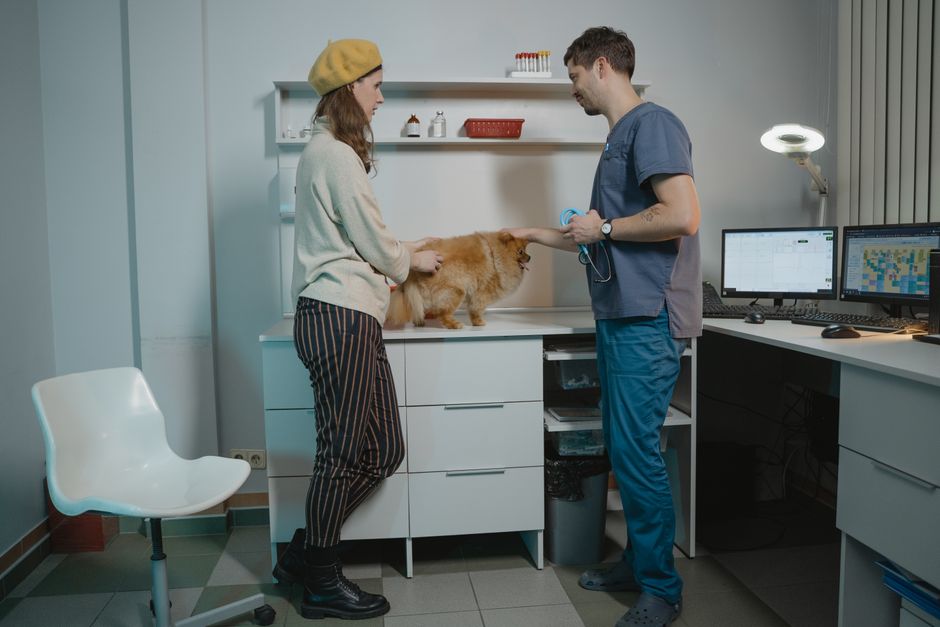
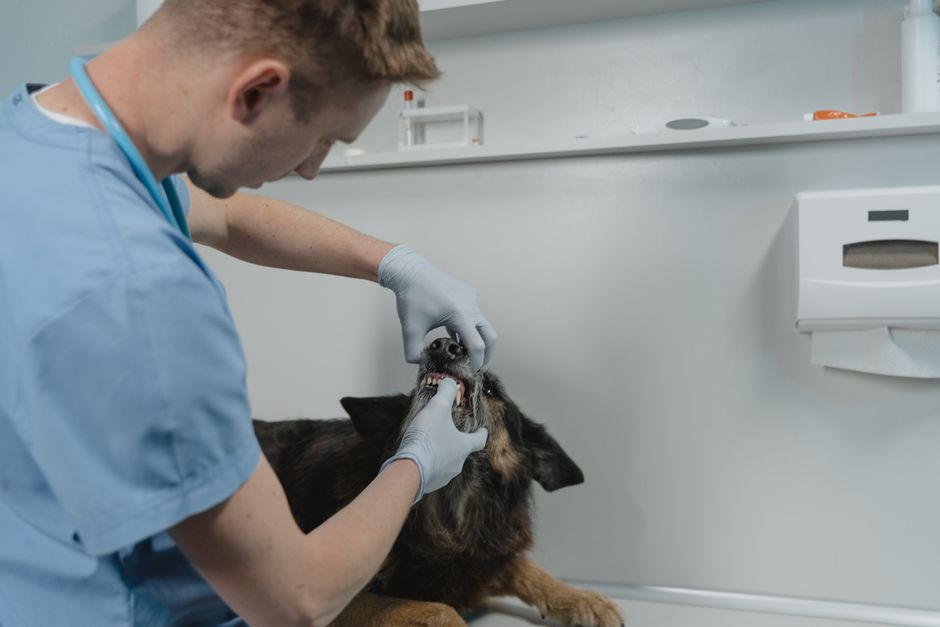
When your pet’s allergies become persistent or severe, working with a trusted veterinary team is crucial for relief and long-term management. At Garrison Animal Hospital, our approach begins with a comprehensive examination to rule out other causes of itching, sneezing, or skin changes. Our veterinarians may recommend diagnostic tests, such as pet health screenings, bloodwork, or skin cytology, to identify the specific type of allergy and evaluate for secondary infections.
Treatment approaches for pet allergies often involve a combination of strategies tailored to your pet’s needs. For many pets, antihistamines or prescription allergy medications offer relief from itching and discomfort. In cases of severe skin irritation, medicated shampoos or topical treatments may be used to soothe inflammation and promote healing. Ear infections linked to allergies are addressed with gentle ear cleaning and appropriate medications to clear infection and reduce swelling. If food allergies are suspected, your veterinarian may suggest an elimination diet to identify and remove offending ingredients.
Environmental management plays a major role as well. The veterinary professionals at Garrison Animal Hospital can guide you on strategies to minimize allergen exposure, such as more frequent bathing to remove pollen or using high-efficiency air filters in your home. In some cases, immunotherapy or allergy shots may be discussed for long-term control, especially if your pet has severe or recurring symptoms. Throughout the process, our team prioritizes your pet’s comfort and quality of life, using evidence-based treatments and ongoing monitoring to adjust care as needed.
Preventing and Easing Pet Allergy Symptoms at Home
Supporting your pet at home can make a significant difference in their comfort during allergy season. Steps to help reduce allergy symptoms include wiping your pet’s paws and coat after outdoor walks to remove pollen, keeping bedding and favorite blankets clean, and vacuuming regularly to reduce dust and dander. Bathing your pet with a veterinarian-recommended hypoallergenic shampoo can soothe skin and wash away allergens. If your pet is prone to ear infections, regular gentle ear cleaning can help prevent buildup that leads to irritation.
Limiting your pet’s time outside during peak pollen hours, typically early morning and late afternoon, may help reduce exposure. For pets with suspected food allergies, working closely with your veterinarian to transition to a hypoallergenic or limited ingredient diet is key. Using unscented, pet-safe cleaning products and avoiding strong fragrances in the home can minimize respiratory and skin flare-ups, especially for sensitive pets.
Keep an eye on your pet for any changes in their symptoms, as early intervention is the best way to prevent minor irritation from escalating into more serious issues. Our wellness exams are an excellent opportunity to discuss preventive strategies and receive personalized recommendations based on your pet’s health history and lifestyle.
When to Seek Veterinary Care for Pet Allergies
While mild allergy symptoms can sometimes be managed at home, there are situations where professional veterinary evaluation is essential. If your pet’s itching leads to open sores, hair loss, or bleeding, or if you see signs of infection such as redness, swelling, or a foul odor from the ears or skin, prompt care is needed. Persistent vomiting, diarrhea, or signs of respiratory distress like coughing or wheezing are additional warning signs that require immediate attention.
When allergy treatments at home do not provide relief, or if your pet’s quality of life is affected by constant scratching or discomfort, scheduling an appointment with our veterinarians is the best course of action. Allergies can sometimes mask more serious conditions, so a thorough diagnosis ensures your pet receives the most appropriate care. Our veterinary team is experienced in diagnosing and managing allergies in pets throughout Spring Hill and surrounding communities, and we are committed to helping your pet feel their best.
If you are ever unsure whether your pet’s symptoms are allergy-related or something more serious, our diagnostic laboratory services can provide the answers you need quickly and accurately.
Supporting Your Pet’s Health and Comfort in Spring Hill
Allergy season can be a challenging time for both pets and their owners, but with attentive care and veterinary support, your furry companion can enjoy greater comfort and wellbeing. Recognizing the signs of allergies early, understanding the unique triggers in Spring Hill, and taking proactive steps at home all contribute to a healthier, happier pet. If you are searching for a reliable "vet near me" or need guidance on managing your pet’s allergy symptoms, Garrison Animal Hospital is here for you.
Our veterinarians offer personalized advice, thorough diagnostic services, and compassionate treatment options to address the root cause of your pet’s discomfort. Schedule an appointment with our veterinary professionals by calling (352) 340-5928 or visiting us at 13170 Spring Hill Dr, Spring Hill, FL 34609. We welcome new and returning patients from Spring Hill and surrounding communities, and our goal is to help every pet thrive—no matter the season. For more information on allergy care, wellness examinations, or our comprehensive veterinary services, explore our website or reach out to our team today.
This blog is intended for informational purposes only and does not substitute professional veterinary care. Always consult your veterinarian for specific medical advice regarding your pet’s health.